
Last updated November 2, 2026
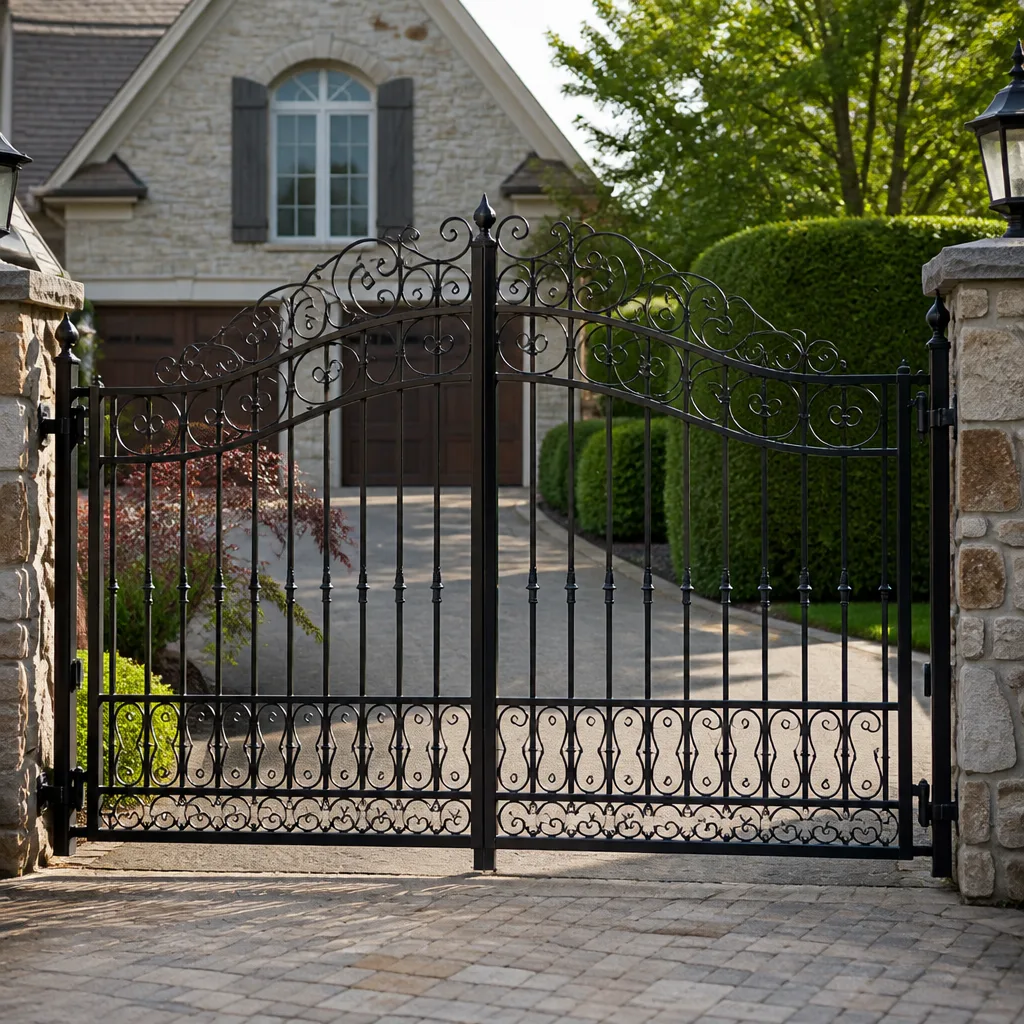 Wrought iron
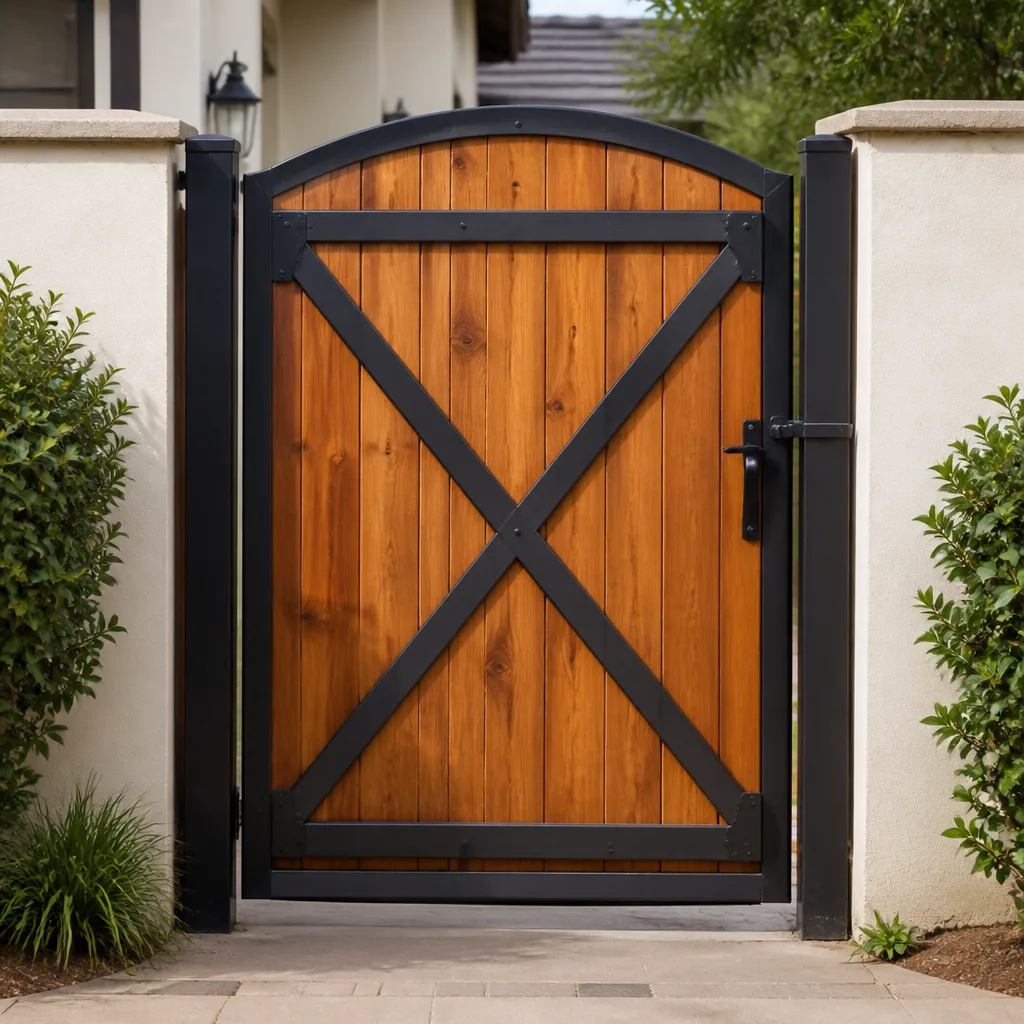 Wood & steel frame
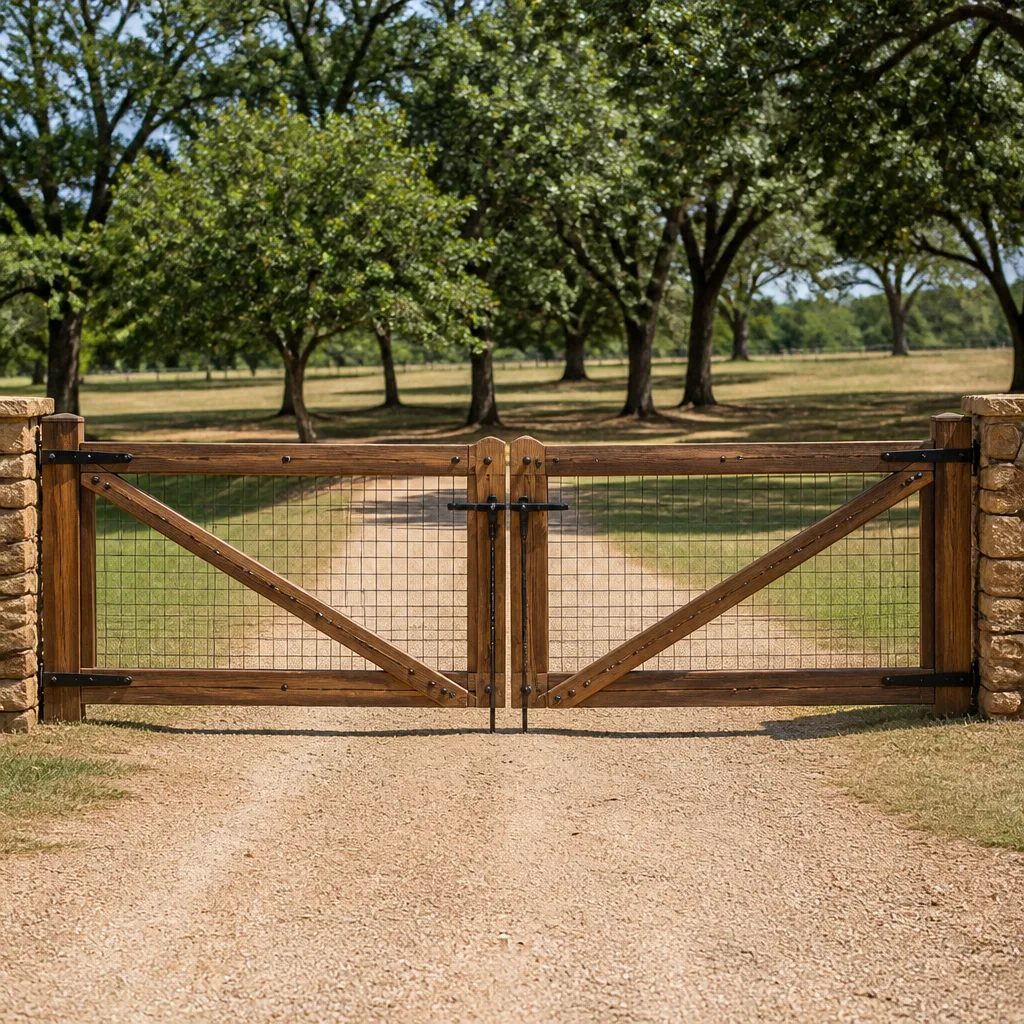 Farm & ranch
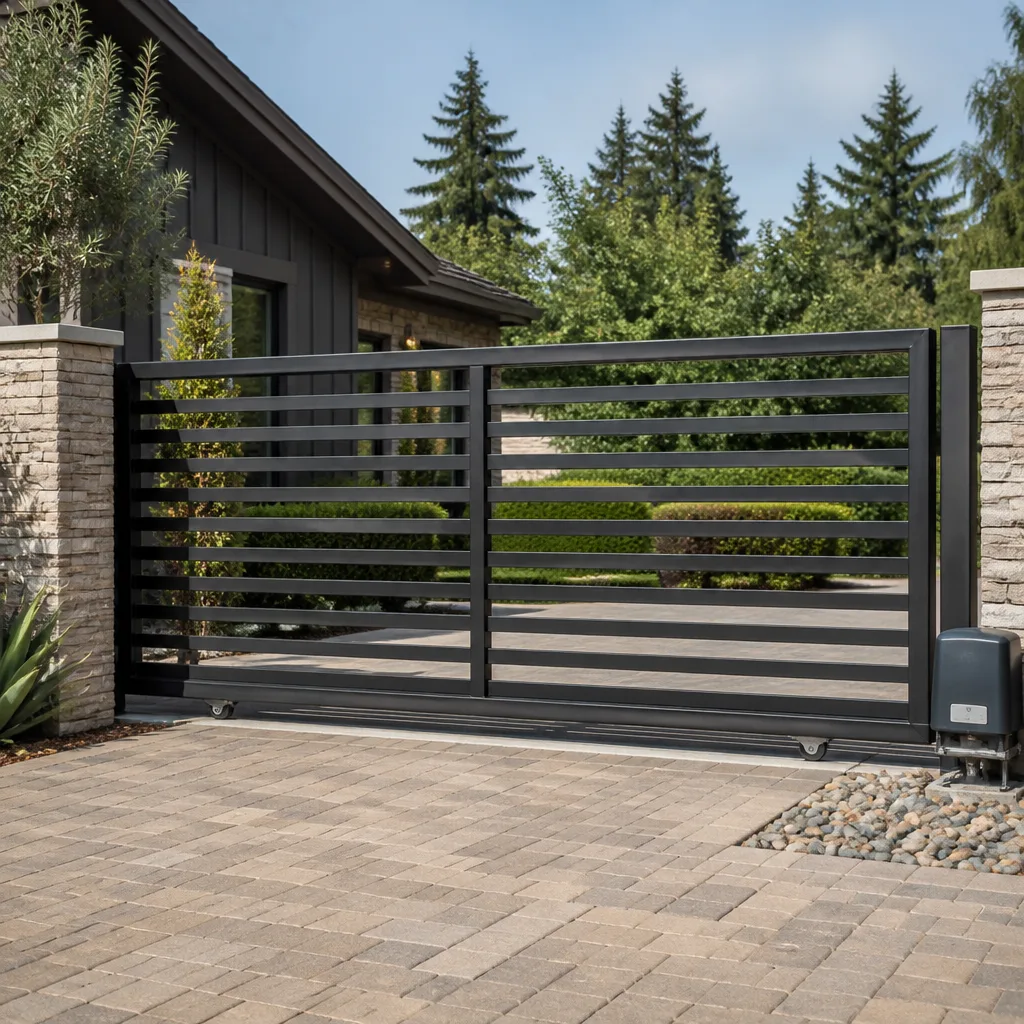 Sliding driveway gates
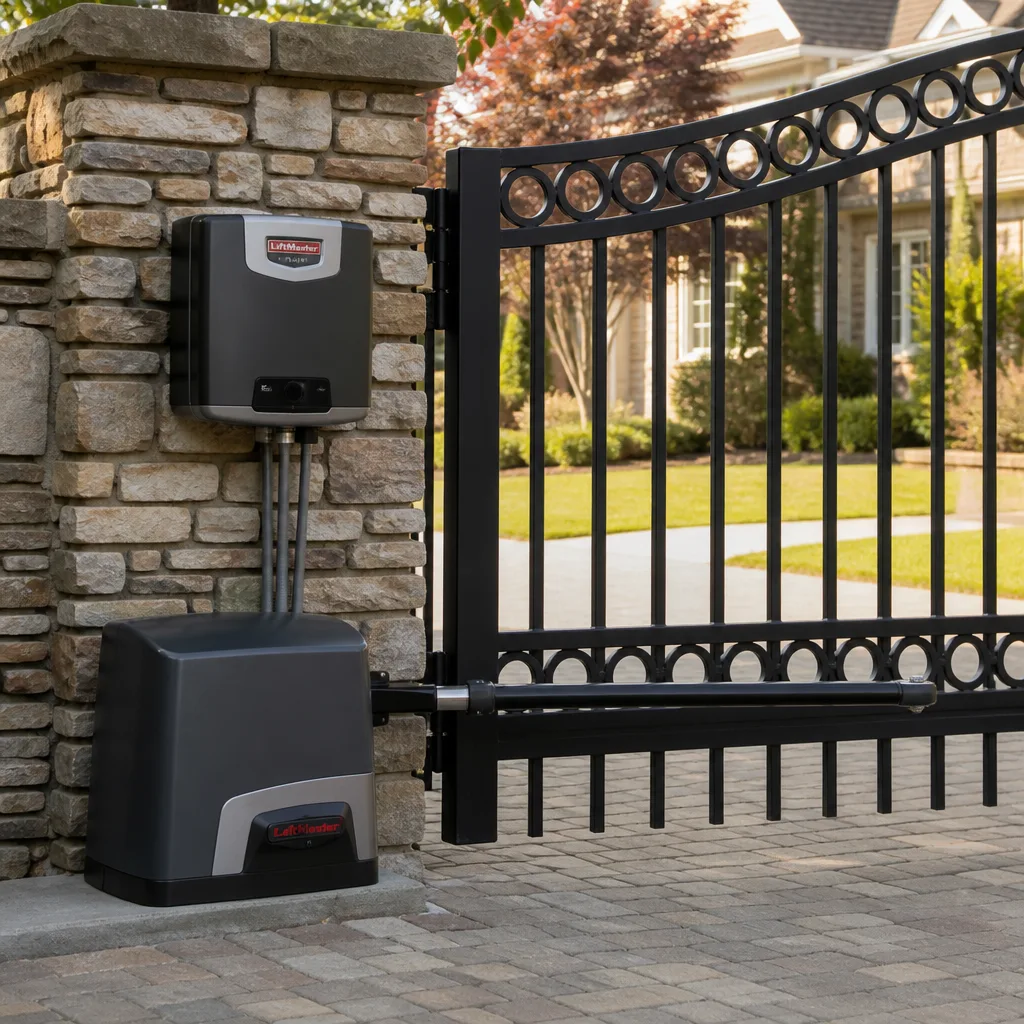 LiftMaster operators
Free on-site gate assessment - hinges, posts, and your LiftMaster or Nice gate operator checked before anything is quoted
The assessment is free and the quote is the invoice.
Get your free estimateGate Repair Warning Signs: A San Carlos Homeowner’s Reference Guide
Most gates don’t fail suddenly. They fail slowly, making small noises and small movements that seem like quirks but are actually the gate telling you exactly which part is wearing out. A gate that hesitates for two seconds before opening isn’t “just getting old” – that pause is the operator working at above-normal current draw, which means you’re burning out the motor to close a gap that a $40 hinge adjustment would eliminate. This guide walks you through the sounds, sights, and behaviors of a failing gate, maps each one to the component responsible, and gives you an honest urgency rating so you know what needs attention this week versus what can wait until spring. We’ve written it specifically for San Carlos homeowners, where coastal air and hillside lots create failure patterns you won’t find in a generic gate repair manual.
Styles & brands we work with
- Wrought iron
- Wood & steel frame
- Farm & ranch
- Sliding driveway gates
- LiftMaster operators
Quick Answer
The most common gate repair warning signs in San Carlos are grinding or squealing noises during operation, a gate that moves slower than it did six months ago, visible rust at weld points and hinge barrels, sagging that leaves the gate leaf more than half an inch out of level, and remotes that only work from closer and closer distances. Any one of these means a component is wearing faster than it should. Two or more usually means the failure is compounding, and the repair cost goes up every week you wait.
Table of Contents
- The Audio Diagnostic Guide: What Your Gate Is Trying to Tell You
- Visual Warning Signs Ranked by Urgency
- Behavioral Warning Signs in Automated Gates
- Operator Strain vs. Operator Failure: Why the Difference Matters
- San Carlos Environmental Factors: Salt Air, Hillsides, and Hardware
- The Three-Minute Triage Guide: What to Check Before You Call
- Common Mistakes to Avoid
- When to Call a Professional
- Frequently Asked Questions
- The Bottom Line
The Audio Diagnostic Guide: What Your Gate Is Trying to Tell You
Sound is the earliest and most reliable warning system a gate has. Every moving part makes a characteristic noise when it starts to fail, and once you know what to listen for, you can identify the failing component before it takes out the parts around it. Here are the four sounds we hear most often on service calls in San Carlos, and what each one means.
Grinding or Gritty Scraping
Grinding means metal is rubbing against metal without lubrication, or with lubrication that’s been contaminated by dirt and rust particles. On a swing gate, this almost always comes from the hinge barrels. On a slide gate, it’s the track wheels or the track itself. The sound is continuous through the full travel of the gate, not just at the start or stop. A gate that grinds for a few weeks will start to bind. A gate that binds forces the operator to work harder, which shortens motor life dramatically. The fix is usually straightforward: clean the bearing surfaces, replace worn hinge pins or wheels, and re-grease with the correct product. Left alone for a season, a grinding hinge becomes a welded hinge, and the repair moves from maintenance to replacement.
Clicking Without Movement
A rapid clicking sound when you press the remote, with no movement from the gate, points to the operator’s control board or the limit switches. It’s the electrical equivalent of a stalled machine: the board is trying to send power, but a component down the line isn’t responding. We see this on all the major brands we service, including FAAC and BFT operators, and it’s rarely a motor problem. More often, it’s a failed capacitor, a stuck relay, or a limit switch that’s slipped out of adjustment. Clicking with no movement is a genuine electrical fault. It won’t fix itself, and continuing to press the remote just stresses the board further.
Humming with No Movement
A low hum from the operator while the gate stays put is the sound of a motor getting power but unable to turn. Think of it as the gate’s version of a car in gear with the parking brake on. The usual causes are a seized hinge, a jammed track wheel, or a gearbox that’s bound internally. The hum tells you the motor is drawing current, which means it’s generating heat. Heat is what kills motors. If you hear a hum, stop pressing the remote and get it checked. In our experience, a humming gate that’s ignored for a week becomes a motor replacement that could have been a hinge repair.
Squealing or High-Pitched Whining
Squealing is different from grinding. It’s a higher pitch, often intermittent, and it usually comes from the belt or chain inside the operator, or from the pulley system on a slide gate. Belts slip when they’re loose, and they squeal when they slip. Chains make a sharper metallic whine when they’re dry or stretched. A squeal that’s been present for months and suddenly stops is not good news – it often means the belt or chain has finally snapped or jumped its sprocket. At that point the gate either won’t move at all, or it moves erratically and dangerously. A persistent squeal is a cheap fix and a short phone call. A snapped chain is a full operator teardown.
Visual Warning Signs Ranked by Urgency
You don’t need to be a technician to spot most of the visual warning signs of gate failure. You just need to know where to look and what you’re looking at. Here they are, ranked from most urgent to least.
1. Cracks at Weld Points
Any crack in a weld is a structural failure in progress. Weld cracks on gates typically appear at the hinge side of a swing gate, at the junction between the frame and any decorative pickets, and on slide gate cantilever frames at the midpoint of the horizontal rails. A crack that’s a quarter-inch long today will be an inch long after a few hundred more open-close cycles, because the gate’s weight keeps working the crack open. A gate with a cracked weld can break completely and fall, which is a serious safety hazard. This is the top-priority visual warning sign in our book.
2. Gate Sag Exceeding Half an Inch
Stand at the latch post and sight down the top rail of a closed swing gate. Compare the height of the free end to the hinge end. If the free end sits more than half an inch lower, the hinges or the hinge post are failing. Sag puts the entire weight of the gate on the operator every time it moves, and it also causes the latch to bind against the strike plate. Half an inch doesn’t sound like much, but it’s the point where hinge wear accelerates rapidly. A gate that’s sagging an inch or more is already doing damage to the operator on every cycle.
3. Rust Stains Bleeding From Hardware
Orange or brown staining below a hinge, a bolt head, or a weld bead means the corrosion is active inside the joint, not just sitting on the surface. Surface rust you can wipe off with a finger is usually cosmetic. Rust that’s staining the metal below it is structural. This is the failure pattern we see most often on gates in San Carlos that face west or sit on hillside lots with morning fog exposure – the moisture works into the joints and the salt in the air accelerates the oxidation from the inside out.
4. Gaps Between the Gate and the Ground That Weren’t There Before
Measure the gap under the latch end of your gate, then measure it again in three months. A gap that’s growing means the gate or the post is moving. Sometimes this is hinge wear. Sometimes it’s the post footing starting to shift, which happens on sloped San Carlos lots where drainage patterns change over time. Either way, the measurement tells you something structural is in motion, and that’s not a wait-and-see situation.
5. Cosmetic Surface Rust Without Flaking
Light, even rust over a wide surface area, with no pitting and no bleeding stains, is a cosmetic issue. It looks bad, but it’s not compromising the gate’s strength. You can address it with sanding, priming, and repainting whenever the weather cooperates. Don’t confuse this with the point-source rust in item three above. One is a paint project. The other is a structural repair.
Behavioral Warning Signs in Automated Gates
Automated gates add a third category of warning signs: the way the gate behaves when it moves. These are easy to overlook because you see the gate every day and the changes happen gradually. But each one maps to a specific system.
Slower Operation Over Time
An electric gate that used to complete a full open in 12 seconds and now takes 20 seconds is telling you the motor is working against increased resistance. That resistance is usually mechanical: a hinge that’s drying out, a wheel that’s wearing flat, a guide roller that’s binding. The operator doesn’t have a “slow mode” – it always applies the same power. If the speed drops, the load has increased, and the load increase is wearing out the motor and gearbox faster than designed. This is how a $300 hinge problem becomes a $2,000 operator replacement. The gate’s speed is a direct readout of its mechanical health.
Inconsistent Reversals or Stopping Mid-Cycle
A gate that sometimes reverses after closing, or stops halfway and then continues after a pause, is showing intermittent signal problems. The usual culprits are failing safety sensors, a photocell lens that’s dirty or out of alignment, a limit switch that’s drifting, or a control board with a failing relay. Intermittent problems are the hardest to diagnose because they don’t happen on demand, which is why so many homeowners put off the call. But intermittent electrical faults don’t stay intermittent forever. They become permanent failures, usually at the worst possible moment – like when you’re leaving for work and the gate won’t close behind you.
Remote Range Reduction
If your remote used to open the gate from the corner of your street in San Carlos and now only works from your driveway, something has changed. The most common cause is a failing receiver module in the operator, but a dying battery in the remote itself is a close second. Interference from new electronics, a failing capacitor on the control board, or a damaged antenna wire all reduce range. Replace the remote battery first – that’s a two-minute fix. If the range is still poor, the receiver is the next suspect, and that’s a straightforward repair on most Linear and Viking systems.
The Gate Drifts Open or Closed After Stopping
A gate that creeps after the operator stops it has a problem with its mechanical holding system. On a swing gate, this is usually a failed gearbox brake or a worn internal gear. On a slide gate, it’s typically a track that’s out of level, allowing gravity to do the work. Drift is dangerous because it means the gate is not staying where you left it, which can let it rest in the middle of the opening, damage the track, or pinch against a vehicle. This one gets a high urgency rating from us every time we see it.
Operator Strain vs. Operator Failure: Why the Difference Matters
Here’s the single most useful distinction in gate diagnosis, and the one that separates a costly misdiagnosis from a cheap fix. Operator strain means the operator is working harder than it should because something mechanical is wrong with the gate itself. Operator failure means the operator’s own components – motor, gearbox, control board, capacitor – have failed or are failing. The symptoms can look identical: slow movement, unusual noises, longer cycles. But the right repair is completely different.
We see this confusion all the time on service calls across San Carlos. A homeowner notices the gate moving slowly, assumes the motor is dying, and calls us expecting an operator replacement. We check the hinges and find them seized with corrosion. The motor was fine – it was pushing against a gate that didn’t want to move. The repair was a hinge rebuild for a few hundred dollars, not a new operator for a few thousand. The reverse happens too: a homeowner spends money on new hinges and a track service, and the gate still moves slowly, because the problem is a failing capacitor that’s delivering weak current to the motor.
Here’s how to tell them apart:
Signs of Operator Strain (Mechanical Problem)
- The gate moves slowly but the operator sounds normal or only slightly louder than usual
- The slow movement is consistent – same speed every cycle
- You can see visible sag, rust at hinges, or wear on the track wheels
- The gate was fine for years, then started slowing down gradually over several months
- Manually pushing the gate (with the operator disengaged) feels difficult or rough
Signs of Operator Failure (Electrical or Gearbox Problem)
- The gate moves slowly and the operator makes a grinding, whining, or humming sound
- The gate’s speed varies from cycle to cycle – sometimes normal, sometimes slow
- The gate hesitates for a second or two before starting to move after you press the remote
- The gate won’t move at all but makes noise, or won’t move and is silent
- Manually pushing the gate (with the operator disengaged) feels smooth and easy, but the gate still operates poorly under power
That manual test – disengaging the operator and pushing the gate by hand – is the single most useful diagnostic step a homeowner can take. If the gate feels heavy or rough by hand, the problem is mechanical. If it glides smoothly by hand but won’t move under power, the problem is in the operator. This one test saves our customers thousands of dollars a year in unnecessary part replacements, and it’s the same test we run on every electric gate repair in San Carlos before we quote anything.
San Carlos Environmental Factors: Salt Air, Hillsides, and Hardware
Gates in San Carlos fail differently than gates in, say, Redwood City or Palo Alto. The difference comes down to geography and microclimate, and understanding it changes how you read the warning signs on your own gate.
Salt Air From the Bay
San Carlos sits close enough to the Bay that the air carries a measurable salt load, especially in the flats and anywhere with west-facing exposure. Salt accelerates galvanic corrosion wherever two different metals meet – steel bolts in aluminum frames, zinc-plated hardware on iron gates, stainless steel hinges on mild steel posts. The corrosion shows up first as white or gray powder at the joint, then as orange rust bleeding from the bolt holes. It’s not the same as rust from rain. It’s faster, more aggressive, and it attacks the connections before it attacks the surfaces. A hinge that would last 15 years in a dry inland climate can fail in 8 to 10 years in parts of San Carlos. When you see white powder forming at a metal-to-metal joint, treat it as an early warning even if there’s no rust yet. That powder is the battery starting to discharge.
Hillside Drainage and Post Movement
A large share of San Carlos homes sit on sloped lots, and slope drainage does specific things to gate posts. When water moves through soil on a slope, it doesn’t just soak down – it moves sideways, carrying fine sediment with it. Over time, this can undermine the concrete footing under a gate post, especially on the downhill side. The post starts to lean, the gate starts to sag, and the operator starts working against the misalignment. The warning sign is a gate that was level last year and isn’t this year, or a gap at the latch that keeps changing. If your gate sits on a slope in San Carlos and you notice new sag, check the post before you assume the hinge is worn. You might be seeing the early stage of a shifting footing.
Fog-Morning Condensation Cycles
Morning fog that burns off by mid-morning is a daily feature of San Carlos weather patterns, especially in the western neighborhoods. That fog condenses on metal surfaces as dew, then the sun dries it. Every condensation-drying cycle draws microscopic amounts of moisture into any crack, any scratched paint, any gap in a powder coat. Over a few years, the cycles add up to corrosion that starts inside the finish and spreads underneath it. The visual signature is bubbling or lifting paint with rust underneath, which looks different from surface rust sitting on top of intact paint. Bubbling paint is internal corrosion working its way out. It’s structural, not cosmetic, and it needs treatment sooner rather than later.
The Three-Minute Triage Guide: What to Check Before You Call
You don’t need to diagnose your gate perfectly. You need to know enough to describe the problem accurately and prioritize the right repair. Here’s a three-minute check you can do this afternoon, in order.
- Disengage the operator and push the gate by hand. Smooth and easy means the problem is electrical. Heavy, rough, or binding means the problem is mechanical. This is the single most valuable piece of information you can give a technician.
- Look at the hinges and the base of the post. White powder, orange staining, or cracking at the joint means corrosion is active. A half-inch of sag at the free end means hinge or post failure.
- Listen during a full open-close cycle. Grinding means metal-to-metal contact. Squealing means a loose belt or chain. Humming with no movement means a bound motor or gearbox. Clicking with no movement means an electrical fault.
- Check the remote range. Stand where you used to stand to open the gate. If you’ve had to move closer, the receiver or the remote battery is failing.
- Time the cycle. If you have a smartphone, time the gate from closed to open. Write the number down and check it again in a month. A gate that’s slowing down is a gate that’s telling you something mechanical is wearing.
Five checks, three minutes, no tools required. Do this now and you’ll know whether you’re dealing with a maintenance item, a repair, or an emergency. And if you want a professional assessment, gate repair in San Carlos starts with a free estimate and a phone call.
Common Mistakes to Avoid
- Ignoring slow movement because the gate still opens. Every slow cycle is extra wear on the motor, gearbox, and hinges. The slow gate is telling you it’s dying. Listen to it.
- Lubricating without cleaning first. Spraying grease on top of grit turns the grit into an abrasive paste that wears the joint faster. Clean the surface, then lubricate. Skip the cleaning and you’re making the problem worse.
- Replacing the operator when the hinges are the problem. This is the most expensive unnecessary repair we see. If the gate feels heavy when you push it by hand, the operator isn’t the issue. Fix the mechanical problem, and the operator will usually recover.
- Replacing the hinges when the post footing is shifting. New hinges on a leaning post will wear out in months. Address the post first, then the hinges. This is especially common on sloped San Carlos lots.
- Using WD-40 on gate hinges. WD-40 is a water displacer and light penetrant. It’s not a durable lubricant, and it washes out quickly. Use a proper lithium-based or synthetic grease designed for loaded bearing surfaces.
- Waiting until the gate stops completely to call. A gate that stops completely has already taken out the most expensive component. The warning signs above are your window to fix a cheap problem before it becomes an expensive one.
- Ignoring rust because the gate is “galvanized” or “powder-coated.” Galvanizing and powder coating delay rust – they don’t prevent it forever. By the time you see staining, the coating has already failed at that point. Early treatment is far cheaper than section replacement.
When to Call a Professional
You can handle the three-minute triage yourself. Some of the fixes – cleaning hinges, replacing remote batteries, touching up paint – are DIY-friendly. But certain signs justify a call the same day. A cracked weld anywhere on the gate frame or posts means the structure can fail catastrophically under its own weight. A humming motor that won’t turn is generating heat and can burn out completely in hours, not days. A gate that drifts open or closed after stopping is a safety hazard for anyone in the opening. Electrical faults – clicking, inconsistent reversals, dead control boards – involve line voltage and sensitive electronics that don’t respond well to guesswork. If you’re seeing any of these, Gate Repair San Carlos offers free estimates in San Carlos – call (855) 395-1573 and we’ll assess the problem honestly, give you a written price before any work starts, and fix it right the first time. For more guidance on choosing the right contractor, see our step-by-step guide. visit.
Frequently Asked Questions
Gate repair costs in San Carlos typically range from $150 for minor adjustments like limit switch resets or remote reprogramming to $800-$1,500 for control board replacements or hinge rebuilds, with full operator replacements running $1,800-$3,500 depending on the brand and gate size. The final price depends entirely on which component has failed, which is why we diagnose first and quote before any work begins. Check our blog for more guides & resources on gate maintenance and repair costs. Call (855) 395-1573 for an exact quote – estimates are free.
A gate that moves slower than it used to is almost always working against increased mechanical resistance – a seized hinge, a worn track wheel, or a binding guide roller. The operator doesn’t slow down on its own; it’s being slowed down by the load. The fix is to find and correct the mechanical problem before the motor burns out from the strain. If the gate feels smooth when pushed by hand but still moves slowly under power, the problem shifts to the operator’s capacitor or motor, and that’s the time to call a specialist.
A rapid clicking with no movement means the control board is trying to send power but a downstream component – a capacitor, a relay, or a limit switch – isn’t responding. It’s an electrical fault, not a mechanical one. Continuing to press the remote just cycles the board through another failed start, so the best move is to stop and call for diagnosis before the board itself fails.
Light, even surface rust that wipes off easily and doesn’t flake or pit the metal is cosmetic and can wait for a repaint. Rust that bleeds orange stains from a bolt hole, a weld, or a hinge barrel is structural corrosion working from the inside of the joint, and that’s a different problem. In San Carlos, salt air from the Bay makes point-source corrosion more aggressive than surface rust, so treat any staining at a connection as a priority.
Yes. We service FAAC, BFT, Linear, and Viking operators, along with five other major brands – LiftMaster, Ghost Controls, DoorKing, Elite, and Mighty Mule. We’re gate-only specialists, so every diagnostic tool, every part in the van, and every hour of training is focused on gate systems, not split across other trades. If your opener is a brand we didn’t list, call us anyway – the odds are good we work on it, and if we don’t, we’ll tell you straight instead of guessing.
Replacement makes sense when the gate frame itself is rusted through in multiple places, when a weld crack has propagated through a structural member, or when the post footings have failed and the gate is beyond realignment. A gate with a worn operator but a sound frame is a repair, not a replacement – and replacing a healthy gate to fix a motor problem is a waste of money. We’ll always show you the condition of the frame and let you decide, rather than pushing a replacement you don’t need.
The Bottom Line
A gate that’s failing will tell you – in the sound it makes, the speed it moves, the way it hangs, the rust it shows, and the range of your remote. The key is knowing which warning signs are cheap to fix early and which ones are expensive to ignore. Slow movement, grinding hinges, sag beyond half an inch, bleeding rust, and remotes that don’t work from the curb are all specific signals from specific components. Learn to read them and you’ll catch a $40 hinge adjustment instead of a $2,000 operator replacement. For everything else, gate installation in San Carlos and repair are one phone call away. If any of these signs sound familiar, call (855) 395-1573 for a free estimate – we’ll tell you exactly what’s wrong, exactly what it costs, and exactly what needs to happen next.
Written by the team at Gate Repair San Carlos, serving San Carlos since 2017.
See the difference
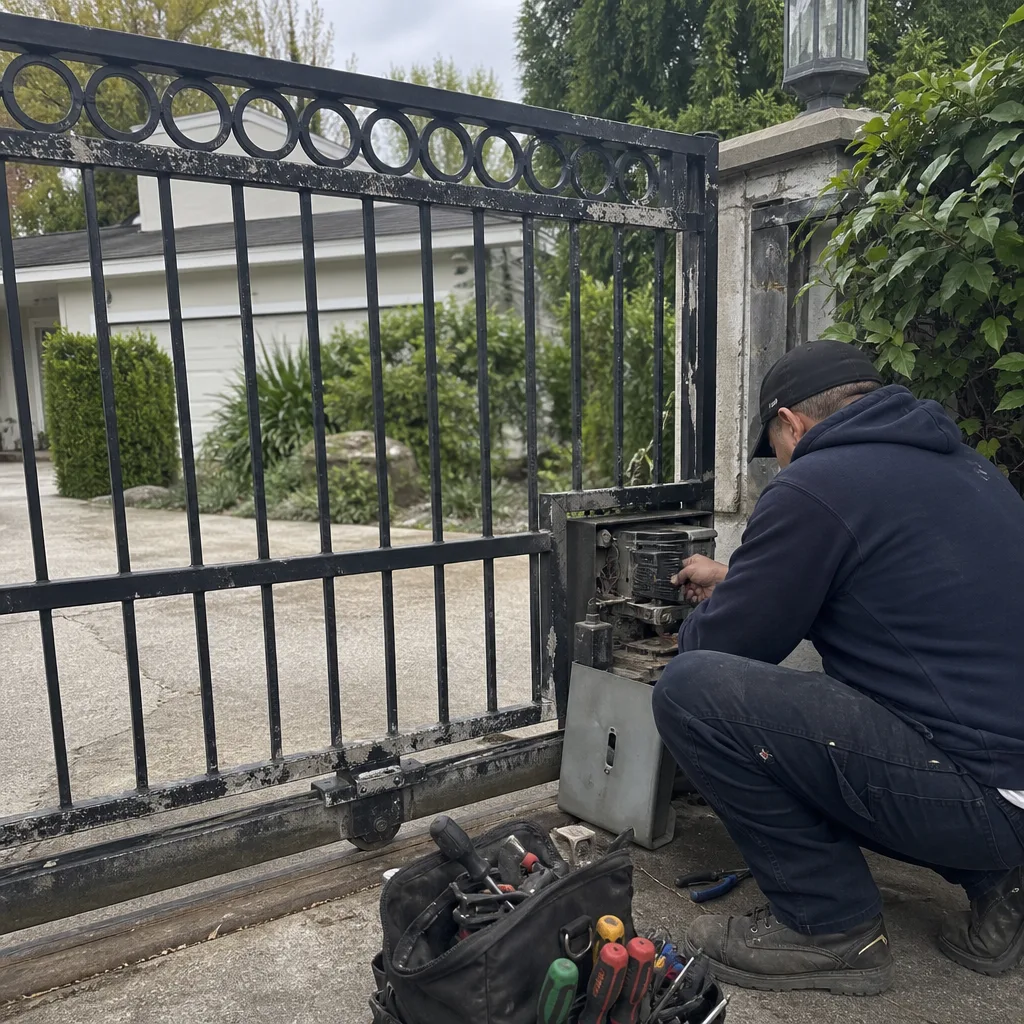 Before
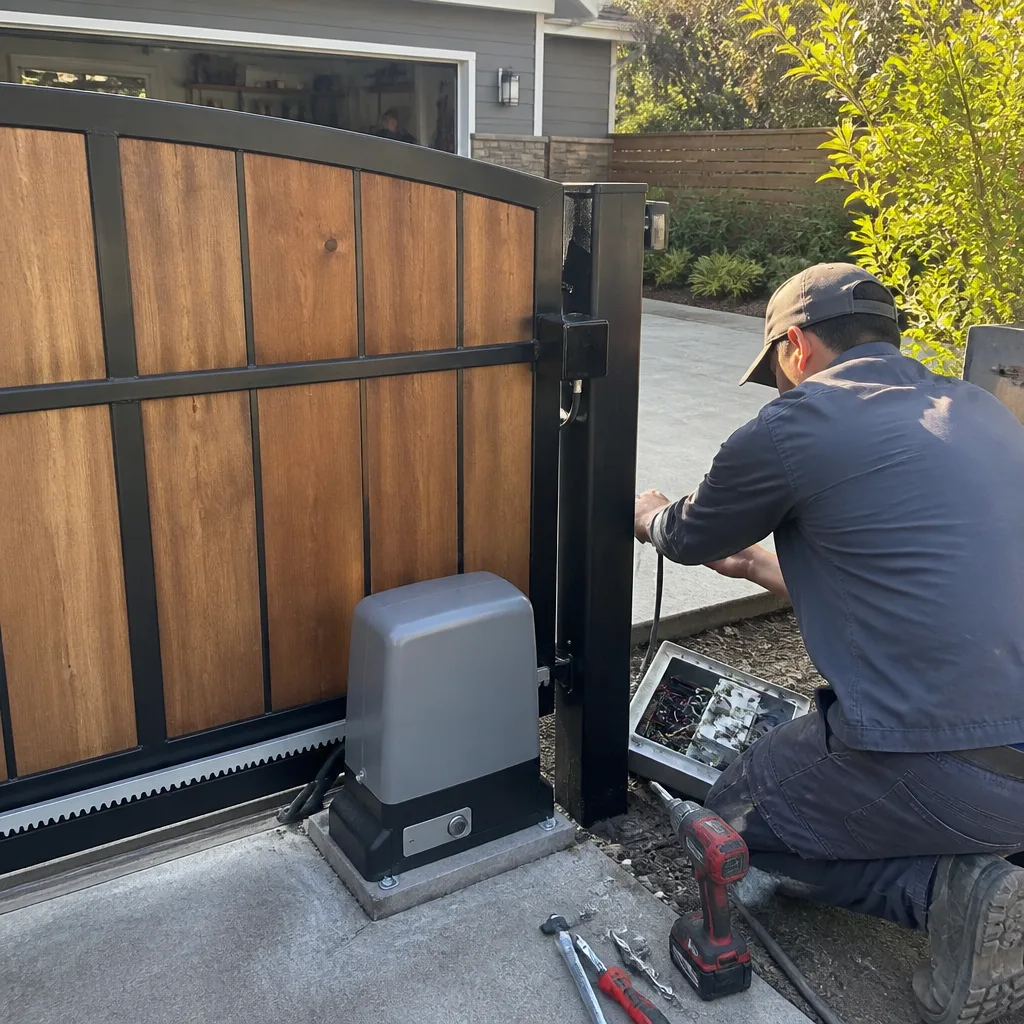 After
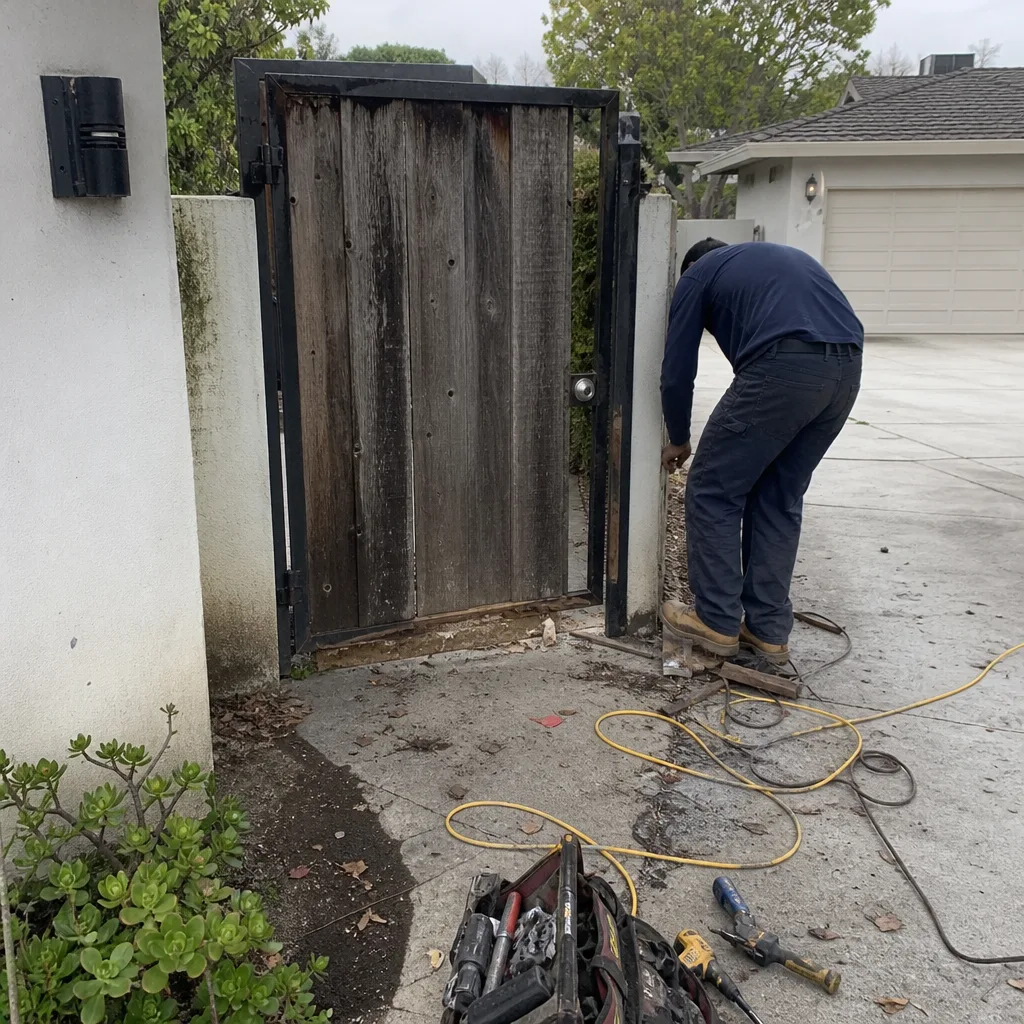 Before
 After
 Before
 After