
Last updated November 2, 2026
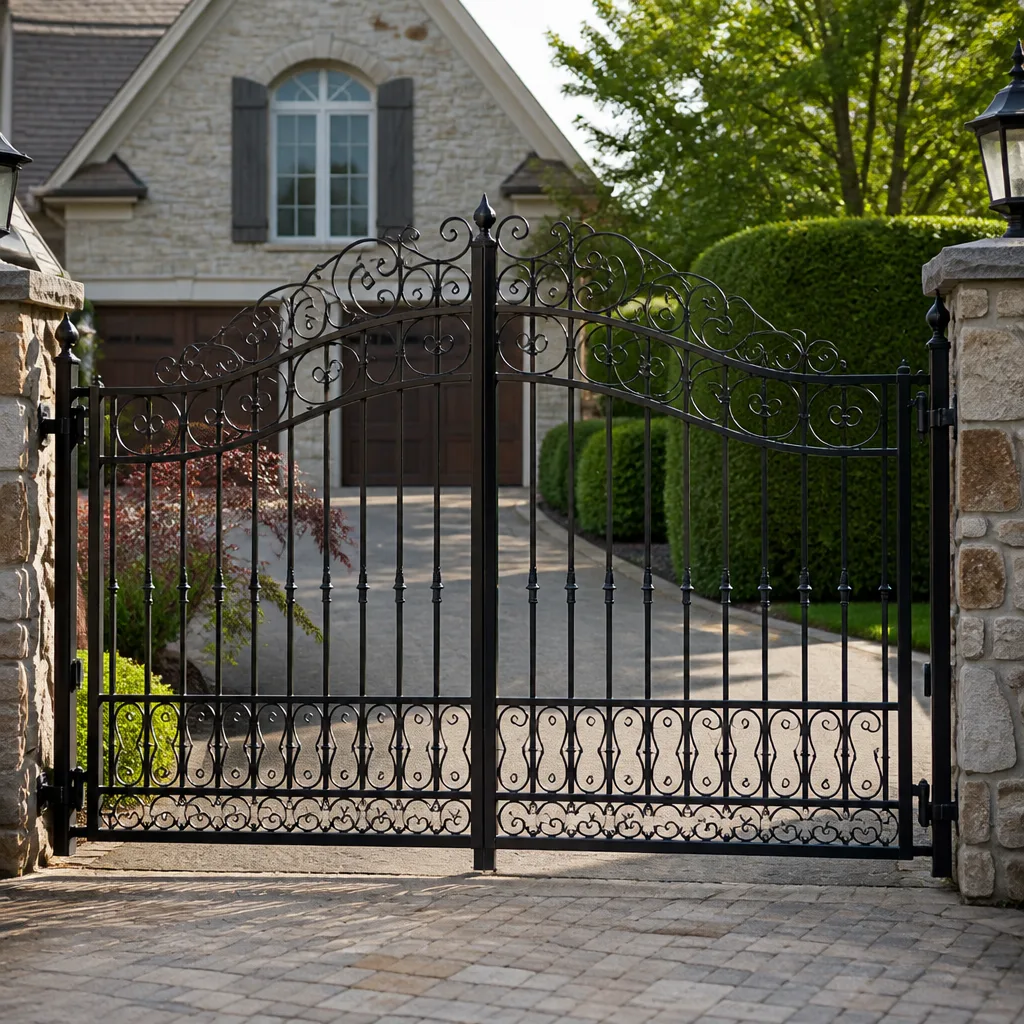 Wrought iron
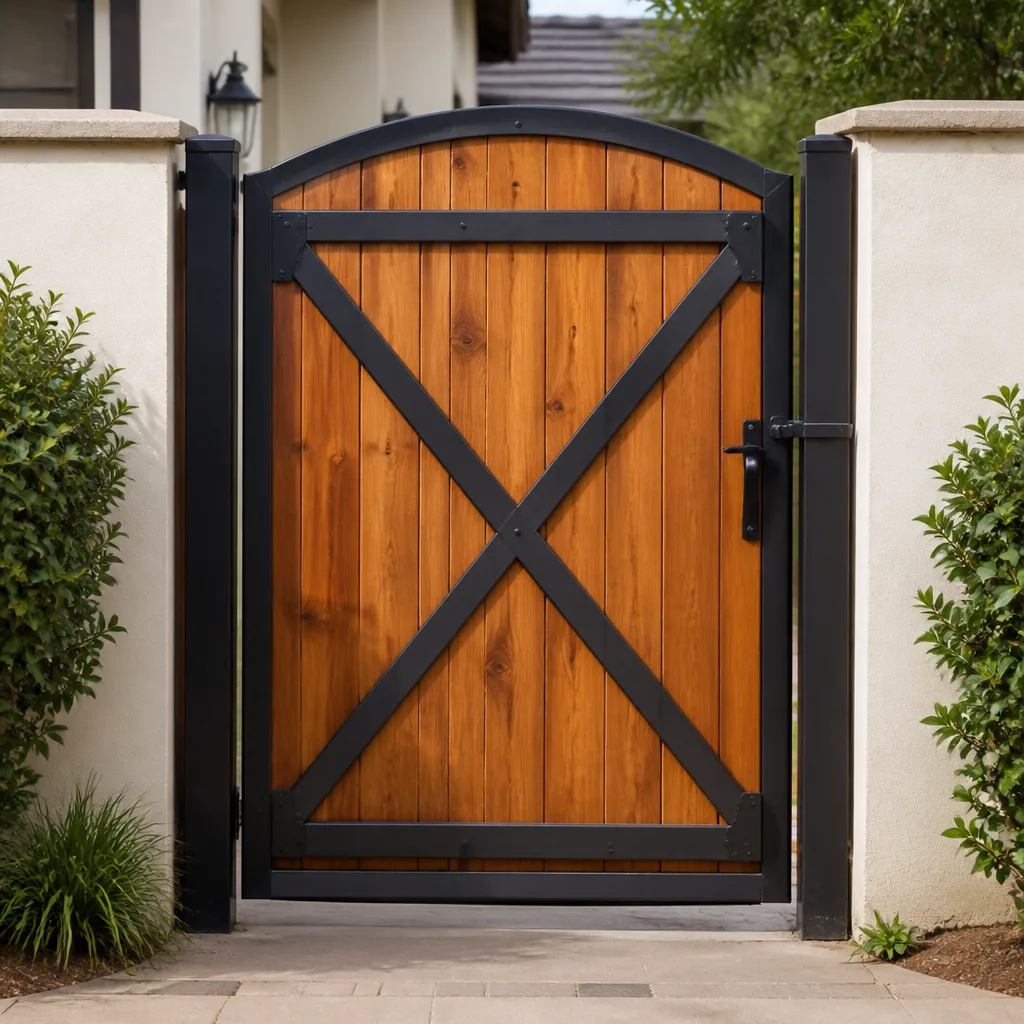 Wood & steel frame
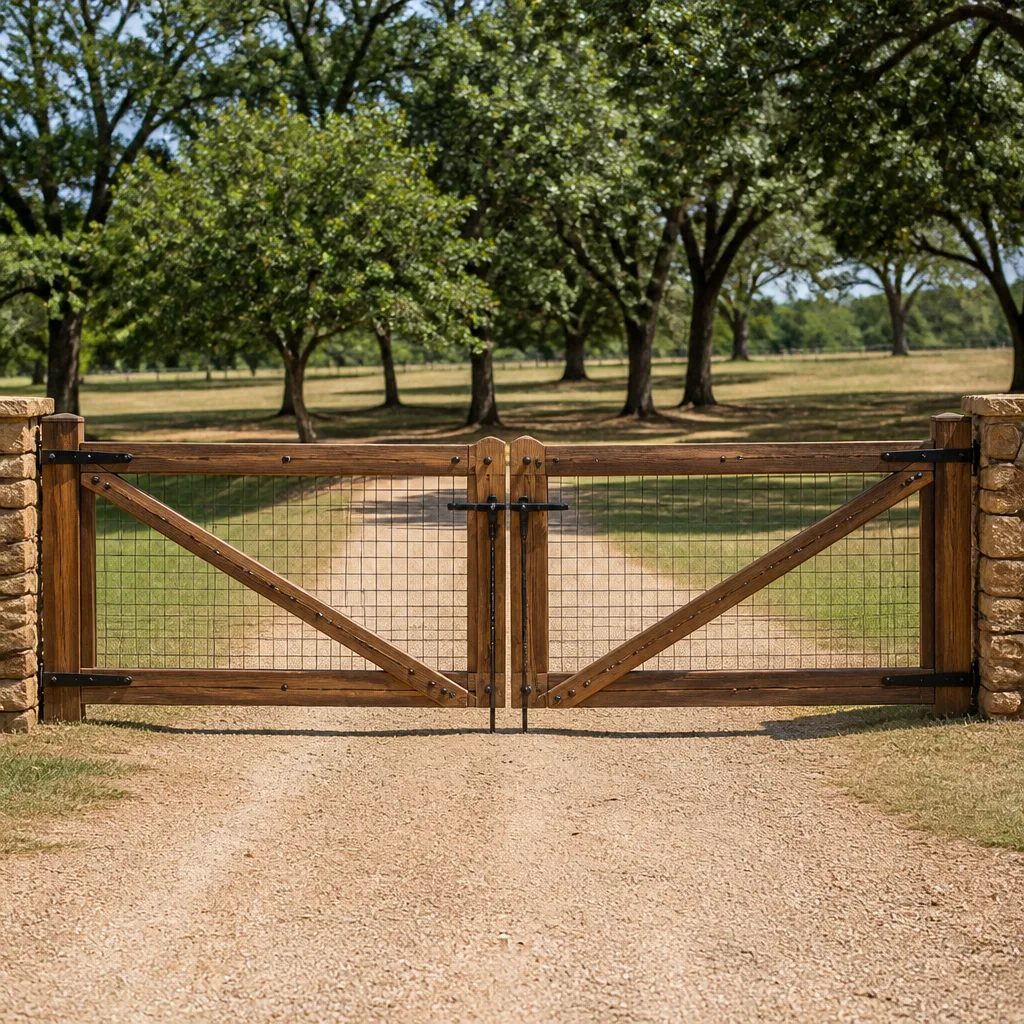 Farm & ranch
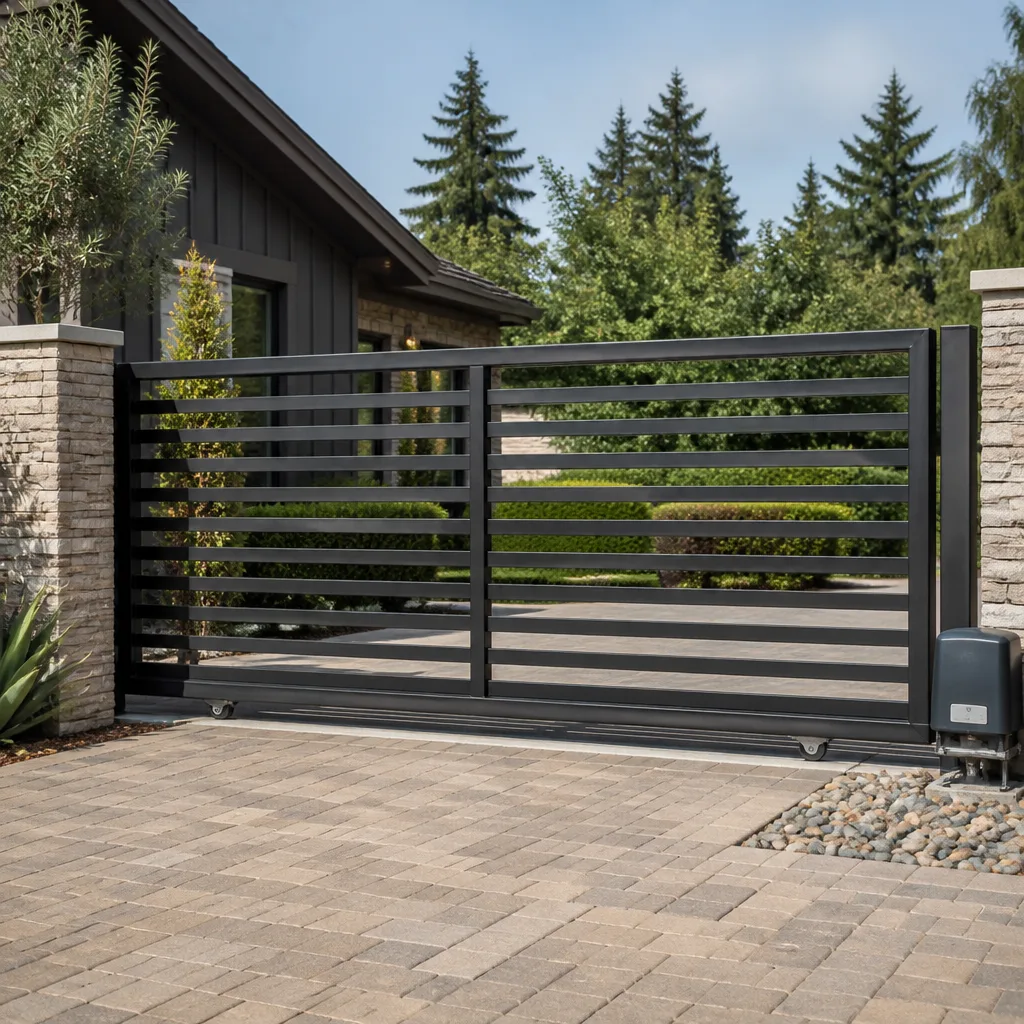 Sliding driveway gates
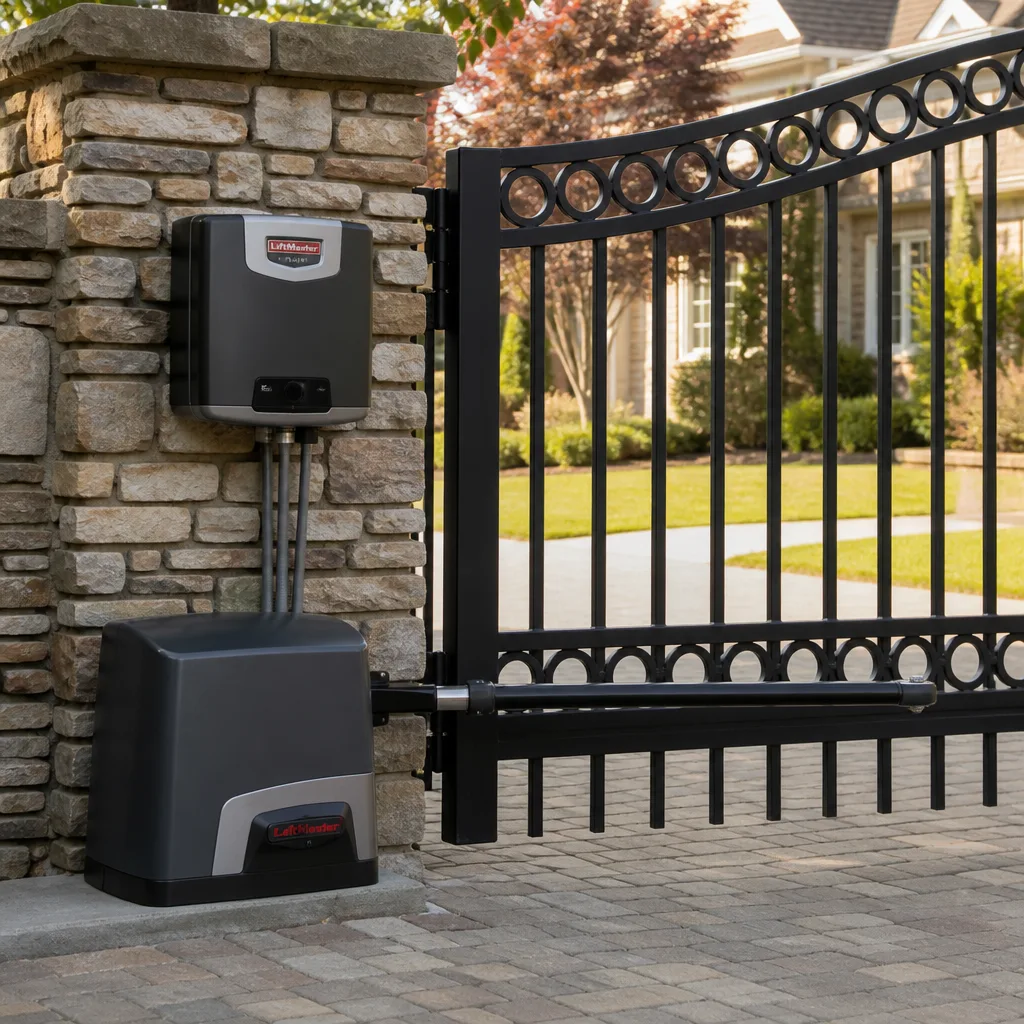 LiftMaster operators
Free on-site gate assessment - hinges, posts, and your LiftMaster or Nice gate operator checked before anything is quoted
The assessment is free and the quote is the invoice.
Get your free estimateSeasonal Gate Repair Care for San Carlos: Year-Round Homeowner’s Guide
The Bay Area’s “dry season” is actually the highest-stress period for gate operators. Thermal expansion in aluminum and steel frames during June through September heat spikes creates operator strain that doesn’t show up until the first cold morning in November. This guide maps San Carlos’s four distinct climate stress phases to specific gate maintenance tasks, so you can prevent the majority of avoidable Gate Repair service calls before they happen.
Styles & brands we work with
- Wrought iron
- Wood & steel frame
- Farm & ranch
- Sliding driveway gates
- LiftMaster operators
Quick Answer
Seasonal gate care in San Carlos means aligning maintenance to four local climate phases rather than calendar quarters: fog-driven corrosion in summer mornings, thermal expansion in late-summer heat, rain intrusion in winter, and soil movement during the spring dry-out. The most important tasks are checking operator thermal cut-off settings in August, sealing control boards before November rains, and recalibrating auto-reverse sensitivity when cold weather stiffens metal in December and January.
Table of Contents
- The Fog Season: Corrosion Starts Before You See It
- Late-Summer Heat Spikes: The Invisible Operator Killer
- Pre-Rainy-Season Inspection: What to Check Before November
- Cold Metal and Auto-Reverse: The December-January Reset
- Spring Dry-Out: Post-Drought Soil Shift and Gate Post Alignment
- DIY vs. Professional: Where to Draw the Line
- Brand-Specific Seasonal Notes
- Common Mistakes to Avoid
- When to Call a Professional
- Frequently Asked Questions
- The Bottom Line
The Fog Season: Corrosion Starts Before You See It
San Carlos sits in a fog belt that stretches from the coast over the Santa Cruz Mountains and settles into the valley during summer mornings. That marine layer isn’t just atmospheric scenery. It’s a salt-laced, moisture-heavy environment that accelerates corrosion on gate hardware in ways that inland Bay Area cities never experience.
What we see in our service calls across San Carlos neighborhoods like White Oaks, Howard Park, and the hillside homes above Crestview Drive is consistent: gate hinges, track rollers, and limit switch housings corrode faster here than in Redwood City or Belmont. The fog deposits a fine saline film on metal surfaces. When the afternoon sun burns off the fog, that film dries and concentrates. Repeat that cycle 60 to 90 days in a row and you get pitting on aluminum, rust blooming on steel hardware, and oxidation inside electrical connectors that were never designed for coastal moisture exposure.
The problem with fog corrosion is that it’s largely invisible during the summer. A gate can look fine while the internal contacts on a LiftMaster or Mighty Mule control board are developing green oxidation that will eventually cause intermittent failures. By the time the gate stops responding reliably, the damage is done.
What to Check During Fog Season
- Limit switch housings: Look for white or green powder around the seams. This indicates moisture has entered the housing.
- Hinge pins on swing gates: Fog moisture has gravity on its side. Lower hinge pins corrode first. Check for grinding or squeaking when the gate moves through its arc.
- Track rollers on slide gates: Roller bearings with even minor corrosion create drag that forces the operator to work harder. That extra strain shortens motor life.
- Photoelectric sensor lenses: Fog condenses on sensor lenses and leaves mineral residue. Wipe them with a dry cloth monthly during fog season.
One practical step: apply a marine-grade silicone spray to hinge pins and track rollers monthly from June through September. This displaces moisture and creates a barrier that the fog cycle can’t easily penetrate. For control boards and electrical connections, a professional can apply dielectric grease to connector points. This is a simple task during a routine maintenance visit but it prevents the most expensive repair we perform: full control board replacement.
Late-Summer Heat Spikes: The Invisible Operator Killer
August and September in San Carlos bring dry heat that can push temperatures into the 90s, especially in the hillside neighborhoods like Devonshire Canyon and the areas east of Alameda de las Pulgas. This is when the thermal expansion cycle does its worst work.
Aluminum and steel gate frames expand in direct sunlight. A dark-colored steel gate can reach surface temperatures 30 to 40 degrees hotter than the ambient air. A 12-foot steel gate can expand by an eighth of an inch or more along its length. That doesn’t sound like much, but it’s enough to change the geometry of the gate’s travel path.
Here’s the pattern we consistently see in San Carlos: a slide gate that ran smoothly all spring starts binding against its track in August. A swing gate that cleared its post by a comfortable margin starts scraping. The hydraulic or electromechanical operator doesn’t know why the gate is resistant. It just works harder. Motor amperage climbs. Thermal cut-off circuits start tripping. The operator shuts down, then resets when it cools down. The homeowner notices the gate “randomly stopping” and calls us.
The root cause is that the gate was installed or last adjusted in cooler weather. No one accounted for the expansion that August heat would bring. The fix usually isn’t a new operator. It’s re-aligning the gate and adjusting the travel limits to accommodate the expanded geometry. When we do this work, we set the gate up to run properly through the full temperature range of the San Carlos year, not just the season in which we happen to be working.
Summer Heat Protocol for Homeowners
- Check operator thermal cut-off settings: If your operator has a thermal protection circuit, confirm it’s not tripping during peak afternoon temperatures. If it is, the gate is binding and the operator is overheating. The thermal cut-off is a symptom, not the problem.
- Adjust cycle limits for peak heat: High cycle counts in hot weather generate more motor heat. If your gate cycles more than 20 times per day during peak heat, consider limiting non-essential use during afternoon hours until the gate is re-aligned.
- Listen for changes in operator sound: A healthy operator has a consistent hum or whir. If the pitch changes or you hear laboring, the gate is resisting movement. Don’t ignore it. Thermal damage accumulates.
- Check gate alignment in the afternoon: Walk the gate’s full travel path at 2 PM or 3 PM on a hot day. Look for changes in clearance between the gate and its posts, track, or the ground. What clears fine at 8 AM might touch at 3 PM.
For electric gate repair in San Carlos, late-summer heat is the single biggest driver of service calls that could have been prevented with a mid-August alignment check.
Pre-Rainy-Season Inspection: What to Check Before November
San Carlos gets the bulk of its annual rain between November and March. The first significant storm typically arrives in late October or early November, and it’s the one that catches gate systems off guard. By December, storms are expected and gates have been running in wet conditions for weeks. It’s that first soaking that does the most damage because six months of dry weather have left seals dried out, drainage channels clogged with summer debris, and control board enclosures vulnerable.
Winter rain in San Carlos is different from coastal rain. We’re on the lee side of the Santa Cruz Mountains, which means we get less rain than Half Moon Bay but more wind-driven rain than Palo Alto. That wind pushes water into spots that simple vertical rain wouldn’t touch. Control board enclosures that face west or northwest are particularly vulnerable during winter storms. The wind drives rain into the enclosure seams, and once moisture is inside, the control board is on borrowed time.
Pre-Rainy-Season Checklist for San Carlos Homeowners
- Verify drainage around gate posts and tracks: Clear leaves, pine needles, and accumulated dirt from around the base of gate posts and the full length of slide gate tracks. Standing water around a gate post accelerates rust and, in clay-heavy soil, causes the post to shift.
- Check seal integrity on control box enclosures: Rubber gaskets dry out and crack during the summer. If the gasket is stiff, cracked, or no longer springs back, water will find its way in. Replace the gasket or seal the enclosure before the first storm.
- Inspect electrical conduit for cracks or exposed wiring: UV exposure over the summer degrades plastic conduit. Hairline cracks let water in during winter. Pay special attention to conduit that runs along the ground or under gate tracks.
- Test the manual release mechanism: Power outages accompany winter storms. If you can’t operate the gate manually when the power fails, you’re locked out or locked in. Test the release now, not during a storm.
- Confirm the auto-reverse safety function works: Wet gates move differently than dry ones. If your auto-reverse is marginal, a rain-soaked gate may push harder against an obstruction before reversing. This is a safety issue that should never wait.
If any of these checks reveal a problem, the time to address it is before the rains start, not after a storm has already compromised the system. For residents who want this done thoroughly, a gate repair specialist in San Carlos can complete the full pre-rain inspection in a single visit. For the full picture of what that inspection covers, see our Gate Repair San Carlos home page.
Cold Metal and Auto-Reverse: The December-January Reset
When San Carlos temperatures drop into the 30s and low 40s in December and January, metal behaves differently. Steel and aluminum contract. The gate that was expanded and binding in August is now shorter and stiffer. The auto-reverse sensitivity setting that worked fine in September may now respond too aggressively or not aggressively enough.
Auto-reverse systems work by measuring the resistance the operator encounters as the gate moves. When the gate hits an obstruction, resistance spikes, and the system reverses direction. Cold metal is stiffer, which means the operator encounters more baseline resistance even when nothing is in the gate’s path. If the sensitivity threshold is set too low, the gate may reverse without touching anything. If it’s set too high to compensate, the gate may not reverse when it should, creating a crushing hazard.
This is the time of year when we get calls about gates that “reverse for no reason” or “don’t stop when they should.” Both are sensitivity calibration issues, and both need a technician who understands how cold-weather stiffness affects operator load sensing. This isn’t a DIY adjustment. Setting auto-reverse sensitivity requires an understanding of the specific operator’s load sensing mechanism and the gate’s weight, length, and travel characteristics. A gate that reverses prematurely is annoying. A gate that fails to reverse is dangerous. We don’t give step-by-step instructions for this adjustment because getting it wrong creates a safety risk that outweighs any money saved.
Cold weather also affects battery backup systems. If your gate has a battery backup, cold temperatures reduce battery capacity significantly. A battery that held a full charge in September may provide only 60% to 70% of its rated capacity in January. If your area loses power during winter storms and your gate loses backup power, you lose access. Check battery health before the cold season settles in. If the battery is more than three years old, it’s approaching the end of its useful life in San Carlos’s climate.
Spring Dry-Out: Post-Drought Soil Shift and Gate Post Alignment
San Carlos sits on a mix of clay-heavy soils, particularly in the hillside areas east of El Camino Real. Clay soil expands when wet and contracts when dry. After a winter of soaking rain, the soil around gate posts is wet and expanded. As spring arrives and the soil dries out, it contracts. That contraction creates small voids around post footings. The post shifts, often by only a fraction of an inch, but that’s enough to change the gate’s alignment.
A gate post that shifted even a quarter-inch can cause the gate to bind, scrape, or fail to latch properly. The problem compounds over multiple wet-dry cycles. Each cycle moves the post a little more. After several years of this, a gate that once operated perfectly can be significantly out of alignment. Homeowners in the hillside neighborhoods above San Carlos Avenue are particularly susceptible because the soil there has a higher clay content and steeper drainage, which accelerates the expansion-contraction cycle.
The spring re-alignment is one of the most overlooked maintenance tasks for gate owners in San Carlos. Most people assume the gate itself is the problem when alignment issues appear. But the gate is usually fine. It’s the posts that moved. Before adjusting the gate, we check the posts. If the post has moved, the correct fix is to re-set the post, which involves excavating around the footing, re-leveling, and pouring new concrete. That’s not a weekend project. It’s a professional job that requires equipment and experience. In some cases, we can re-align the gate to compensate for mild post movement, but that’s a temporary fix for a structural problem.
Spring Soil Shift Checklist
- Check the gap between the gate and its posts in April: Walk the gate through its full travel and note the gap at the top, middle, and bottom. If the gap is narrower at the bottom than at the top, the post has likely shifted.
- Look for fresh cracks in the concrete around post footings: New cracks mean the footing is moving. This is the early warning sign.
- Check that the gate latches cleanly: If the latch no longer lines up with the striker plate, that’s alignment drift. Forcing the latch creates wear on both components and eventually causes failure.
- Note any new scraping sounds during operation: Scraping is contact. Contact means friction. Friction means the operator is working harder and wearing out faster.
For homes that have experienced significant soil movement, we sometimes recommend extending the post footing deeper than the original installation. That’s a job for a gate specialist who understands San Carlos soil conditions, not a general contractor who happens to pour concrete. It’s also work that must be coordinated carefully with gate installation in San Carlos standards to ensure the gate continues to operate within manufacturer tolerances.
DIY vs. Professional: Where to Draw the Line
We’re often asked what homeowners can handle themselves and what they should leave to a professional. The honest answer is that some seasonal tasks are genuinely DIY-friendly, and some are absolutely not. Drawing the wrong line costs money, time, and in some cases safety.
Tasks Homeowners Can Reasonably Handle
- Cleaning photoelectric sensor lenses: A dry cloth and a minute of your time. If the lenses are fogged or mineral-crusted, this simple task prevents false reversals.
- Clearing debris from tracks and around posts: Leaves, dirt, and small rocks are the enemy of smooth gate operation. Clear them any time you notice accumulation.
- Applying silicone spray to hinge pins and track rollers: This is the fog-season corrosion prevention task we mentioned earlier. Use marine-grade silicone spray, not WD-40. WD-40 is a penetrant, not a lubricant, and it’ll actually strip away protective lubricant over time.
- Visually inspecting for cracks, rust, or loose hardware: You don’t need tools to see a cracked weld or a rusting hinge. Look at your gate monthly. Note what changes.
- Testing the manual release mechanism: If you can’t find the release or don’t know how it works, learn now, not during a power outage. This is a zero-risk task when done while the gate is stationary and the power is connected.
Tasks That Require a Professional
- Adjusting auto-reverse sensitivity: We covered this above. Get it wrong and you create a crushing injury risk. This is a professional calibration, full stop.
- Opening the control board enclosure: The control board is the brain of your gate system. Moisture inside is a death sentence, and opening the enclosure without knowing how to re-seal it properly is a self-inflicted wound. Electrical components also carry live voltage. A gate specialist has the tools and experience to work safely.
- Re-setting gate posts: This requires excavation, concrete work, and precise leveling. It’s not a YouTube project.
- Any repair involving gate springs or counterweights: Swing gates on hillside properties sometimes use spring-assisted mechanisms. Those springs are under enormous tension. A failed spring can cause serious injury. This is not a DIY component.
- Work on any gate over 400 pounds: A heavy estate gate or commercial gate requires equipment and technique to service safely. If your gate is larger than a standard double-car driveway gate, call a professional.
One more consideration: warranty. Many gate operator manufacturers, including DoorKing and Elite, void the warranty if unauthorized repairs are attempted. Before you open up any component, check your warranty terms. The money you save on a DIY fix won’t cover the cost of a voided warranty on a $2,000 operator.
Brand-Specific Seasonal Notes
Most of what we’ve covered applies to any gate system regardless of brand. But over years of working on gates across San Carlos, we’ve noticed that different brands have different seasonal vulnerabilities. For deeper context, see our Choosing the Right Gate Repair Brand: A Buyer’s Guide for San Carlos. Knowing what to watch for on your specific system helps you catch problems early.
LiftMaster operators are common in residential San Carlos installations. They’re generally reliable, but the control board enclosures on older LiftMaster models tend to develop seal failures at the bottom edge of the enclosure. During winter rain, water wicks up from the bottom. Check the bottom seal on any LiftMaster control box that’s more than five years old. On the heat side, LiftMaster operators have a thermal protection circuit that’s more sensitive than some other brands. If your LiftMaster gate starts stopping for no reason in August, heat binding is the first thing to check.
Mighty Mule operators are the budget-friendly choice we see on many San Carlos residential gates. They’re popular for a reason: simple installation, accessible pricing, and they work well for lighter gates. But Mighty Mule operators are more susceptible to moisture intrusion than the commercial-grade brands. The control board is housed in a plastic enclosure that’s adequately sealed when new, but the seal degrades faster than metal enclosures under constant UV exposure. If you have a Mighty Mule, inspect the enclosure seal every spring. A $12 replacement seal beats a $400 control board.
DoorKing and Elite operators are the commercial-grade brands we work on frequently in San Carlos, both for residential estate gates and commercial properties. These operators are built for higher duty cycles and generally handle seasonal stress better than residential brands. But they’re more complex, with more sensors, more wiring, and more points of failure. The seasonal issue we see most often with DoorKing and Elite systems isn’t the operator itself. It’s the peripheral components: loop detectors that corrode from ground moisture, keypad faces that develop wear from fog condensation, and photo eyes that drift out of alignment as the gate posts shift. If your DoorKing or Elite system goes down in the middle of a storm, the operator is probably fine. The problem is usually three feet away from it.
We recommend that homeowners get to know their operator brand and model. The manual that came with your gate system has a maintenance schedule specific to that model. Follow it. The seasonal guidance in this article supplements, not replaces, manufacturer recommendations. If you don’t know what brand of operator you have, the operator housing will have a data plate with the brand name and model number. Take a photo of it and keep it somewhere accessible. When you call for service, that photo saves time.
Common Mistakes to Avoid
- Lubricating everything with WD-40: WD-40 is a water displacer and penetrant, not a lubricant. Using it on hinges and rollers strips away proper lubricant and actually accelerates wear. Use marine-grade silicone spray or a lithium-based grease for gate hardware.
- Ignoring minor gate sounds: A faint scrape or grind that only happens at a certain point in the travel arc is the early warning of a bigger problem. Fixing the source of a scrape costs a fraction of replacing the operator that burned out trying to overcome it. Gates don’t heal themselves.
- Waiting until the gate stops working to call for service: Most gate failures in San Carlos are the end result of weeks or months of accumulating problems. Preventive maintenance visits cost less than emergency repairs. A gate that’s been making noise and then dies on a holiday weekend is the expensive kind of problem.
- Attempting auto-reverse calibration at home: This settings adjustment is tempting because it looks simple. It isn’t. The difference between a gate that reverses when it should and a gate that doesn’t reverse when a child or pet is in the path is a small adjustment that requires a trained hand.
- Neglecting the manual release: You don’t need the manual release until the power fails and your car is stuck on the wrong side of the gate. Test the release mechanism quarterly. If it’s stiff or hard to operate, address it before you need it.
- Assuming the gate is the problem when alignment drifts: In the San Carlos hills especially, a misaligned gate is often a sign that a post has shifted. Re-aligning the gate without checking the posts treats the symptom. Next season, the problem will be worse.
- Using pressure washers on gate hardware: A pressure washer forces water into enclosures, connectors, and bearings. That water causes corrosion that didn’t exist before. Clean gate hardware with a damp cloth and a soft brush. Keep pressure washers away from anything electrical or mechanical.
When to Call a Professional
If your gate reverses for no reason, fails to open or close fully, makes grinding or screeching sounds, or the operator has stopped responding entirely, don’t wait. A gate that’s malfunctioning is a safety risk and a security vulnerability. The longer a small problem runs, the more expensive the repair. Gate Repair San Carlos offers free estimates in San Carlos. Call (855) 395-1573 and describe what your gate is doing. We’ll tell you over the phone whether it’s a maintenance issue or an emergency. If you’ve noticed any of the seasonal warning signs described in this guide – fog-season corrosion on hinges, heat-related binding in August, water inside the control enclosure, or post shift after spring soil dry-out – a professional inspection can identify what’s happening before it becomes a full failure. We work on every major brand, from budget Mighty Mule systems to commercial-grade DoorKing and Elite operators, and we diagnose before we recommend any replacement. From the opener to the arm, from the sensor to the keypad, a gate specialist can tell you exactly what’s wrong and exactly what it will cost to fix. The price is quoted and agreed before any work starts.
Frequently Asked Questions
Seasonal gate maintenance in San Carlos typically runs $150 to $350 per visit depending on the size of the gate, the number of operators, and the type of system. That covers a full inspection, lubrication, sensor cleaning, limit switch checks, and minor adjustments. The cost is significantly less than the average $800 to $1,500 emergency repair that results from skipped maintenance. Call (855) 395-1573 for a specific quote on your gate system. Estimates are free.
Most residential gates in San Carlos should have a professional maintenance visit twice yearly: once before the rainy season starts (October or November) and once in mid-spring (April or May) to address post-winter soil shift and prepare for summer heat. Gates in the fog belt neighborhoods or on hillside properties with clay soil may benefit from three visits annually. Commercial gates with high cycle counts should be on a quarterly schedule.
Yes. The summer marine layer that settles over San Carlos carries salt and moisture that accelerate corrosion on gate hinges, rollers, electrical connectors, and control board components. The effect is most visible on gates in the western and northern parts of San Carlos that get more fog exposure. Preventive steps include monthly silicone spray application during fog season and dielectric grease on electrical connections.
Some tasks are genuinely DIY-friendly: cleaning sensor lenses, clearing debris from tracks, applying silicone spray to hinges and rollers, checking for visible cracks or rust, and testing the manual release. You should not attempt auto-reverse calibration, control board repairs, post re-setting, or any work involving gate springs. Those tasks require professional tools and training, and mistakes can be dangerous. DIY repairs on those components also risk voiding manufacturer warranties.
Heat causes metal gate frames to expand, changing the clearance between the gate and its track or posts. When a gate binds due to thermal expansion, the operator works harder, overheats, and its thermal protection circuit shuts it down. The gate may work again once it cools, but the underlying alignment problem remains. The fix is re-aligning the gate to operate properly across San Carlos’s full temperature range. This is a common August and September issue in San Carlos.
Our technicians are trained on nine major gate brands including LiftMaster, FAAC, BFT, Linear, Viking, Ghost Controls, DoorKing, Elite, and Mighty Mule. We’re brand-agnostic, which means we diagnose the system you have and recommend the right fix without pushing unnecessary replacements. We work on residential swing and slide gates as well as commercial automated entry systems.
The Bottom Line
San Carlos doesn’t have four textbook seasons, but your gate system experiences four distinct stress phases: summer fog corrosion, late-summer thermal expansion, winter rain intrusion, and spring soil shift. If you align your maintenance to these phases, you’ll prevent most of the gate failures that typically happen in this area. The tasks that matter most are silicone-spraying hinges during fog season, checking operator performance during August heat, sealing control enclosures before November, and checking post alignment after spring dry-out. Most of those tasks take minutes. Skipping them costs hundreds or thousands in emergency repairs. If you’d rather have a professional handle it, Gate Repair San Carlos offers free estimates. For more guides & resources, visit our blog. Call (855) 395-1573.
Written by the team at Gate Repair San Carlos, serving San Carlos since 2017.
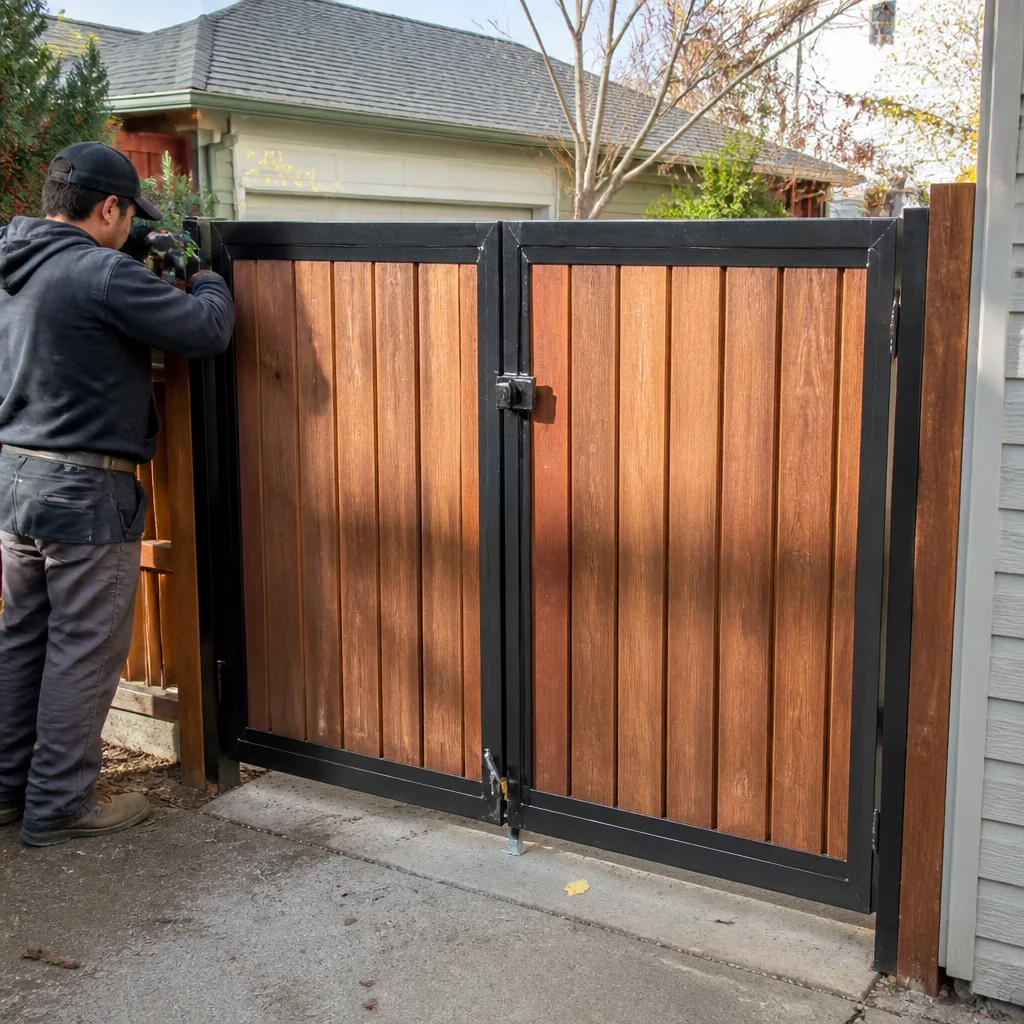
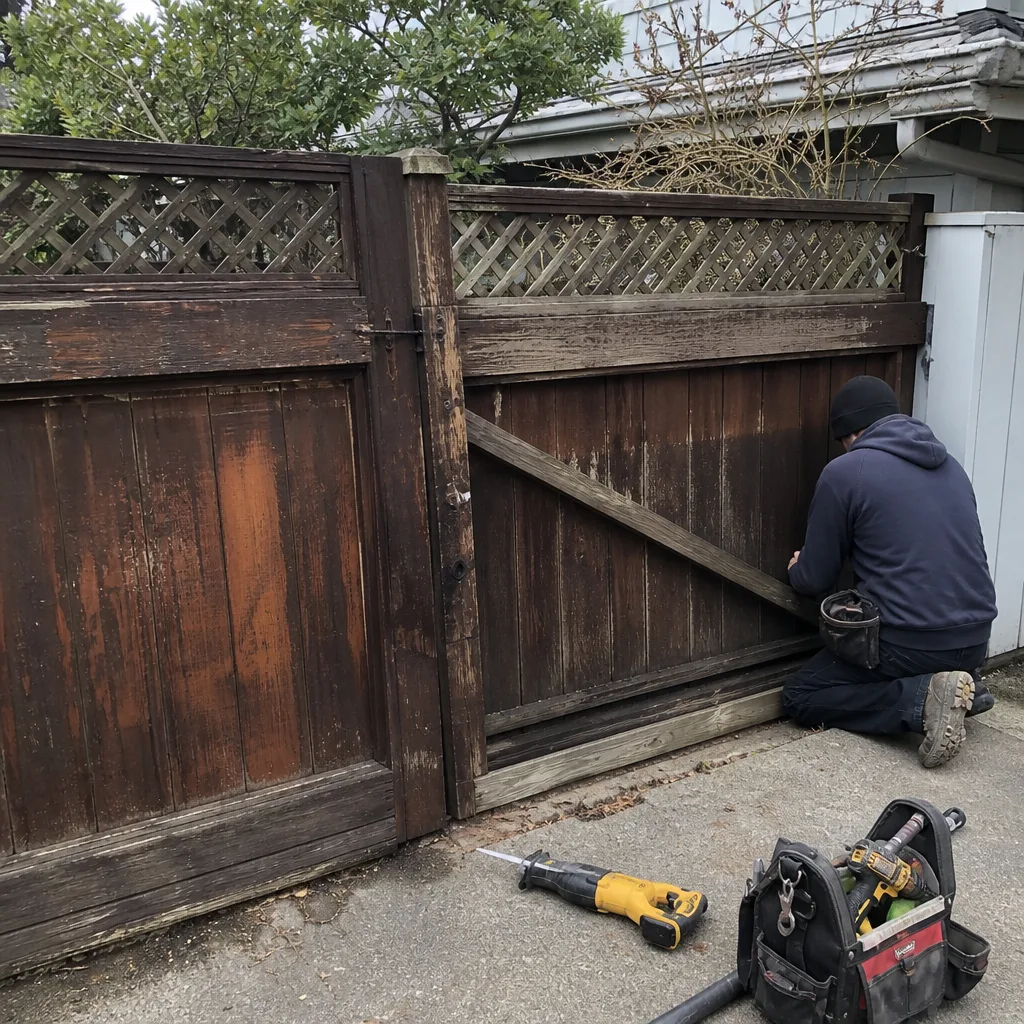
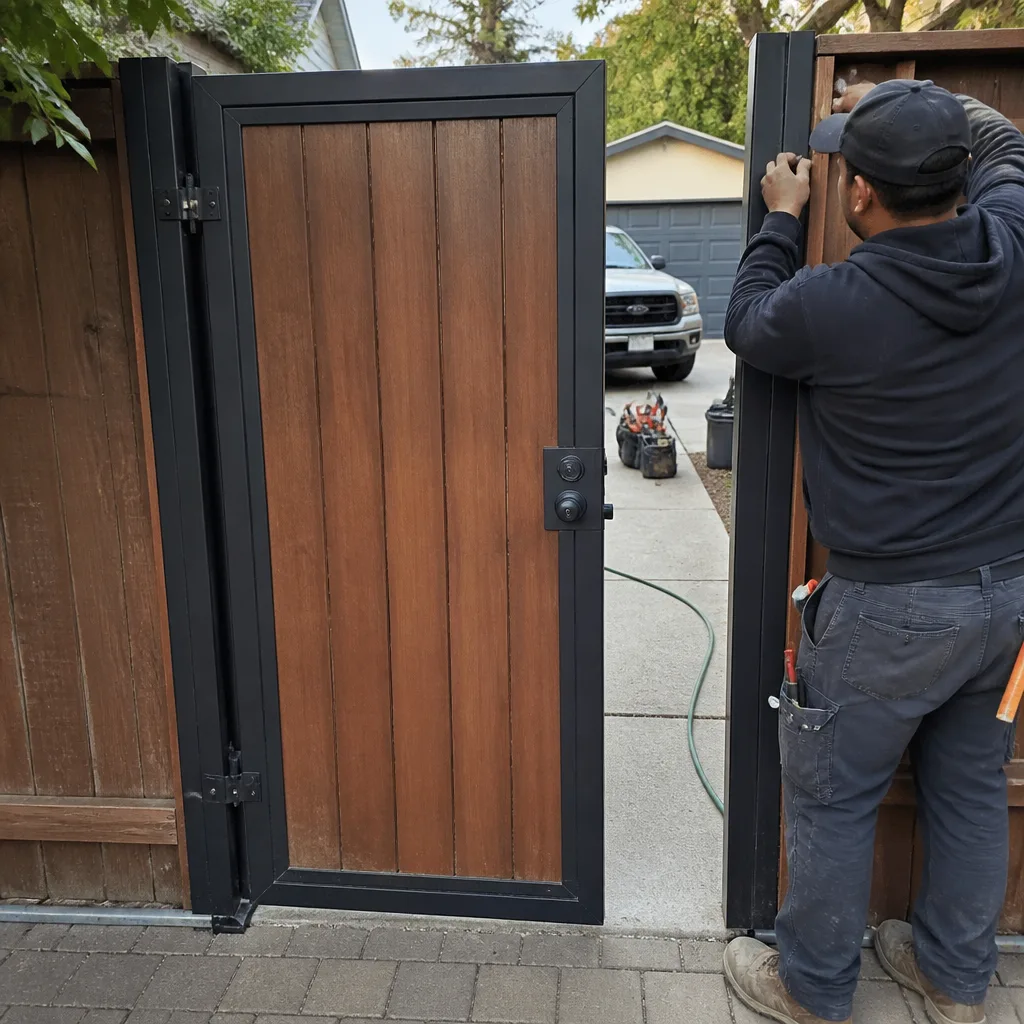
See the difference
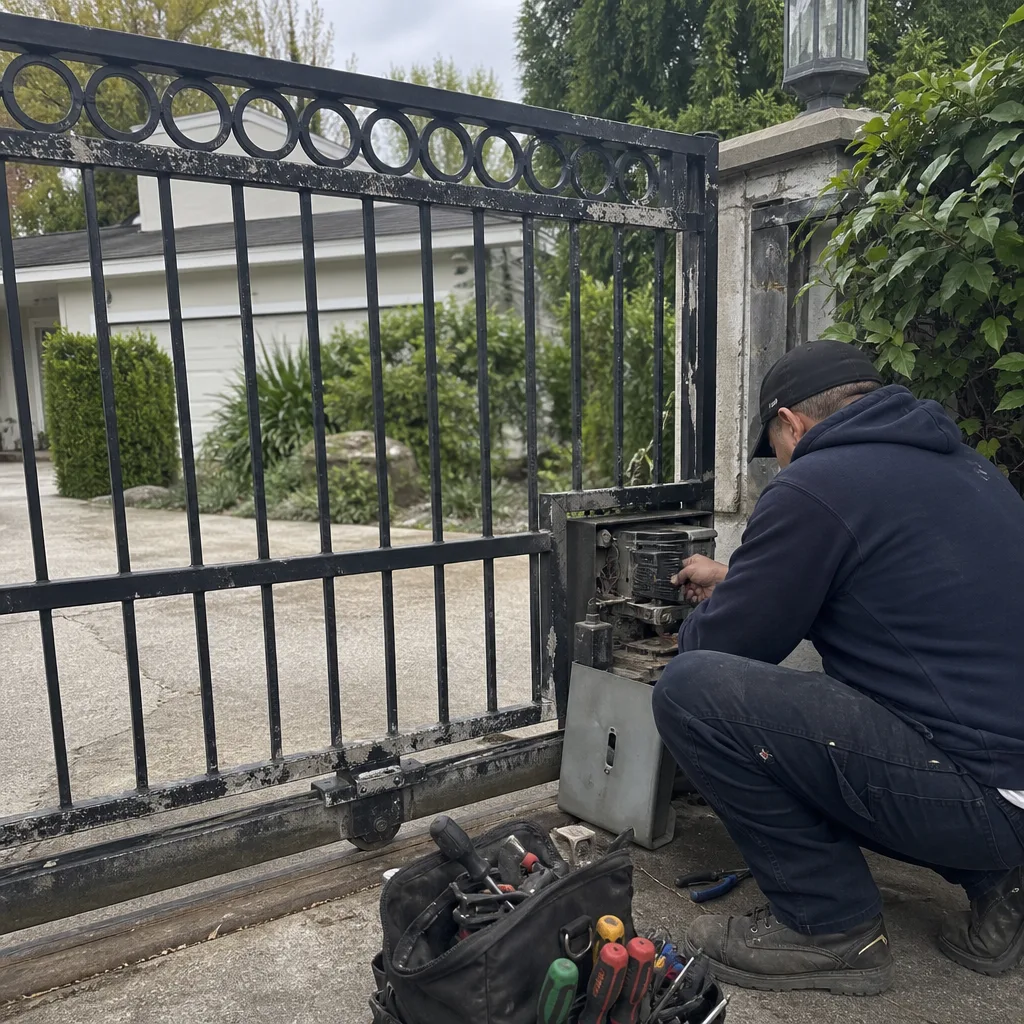 Before
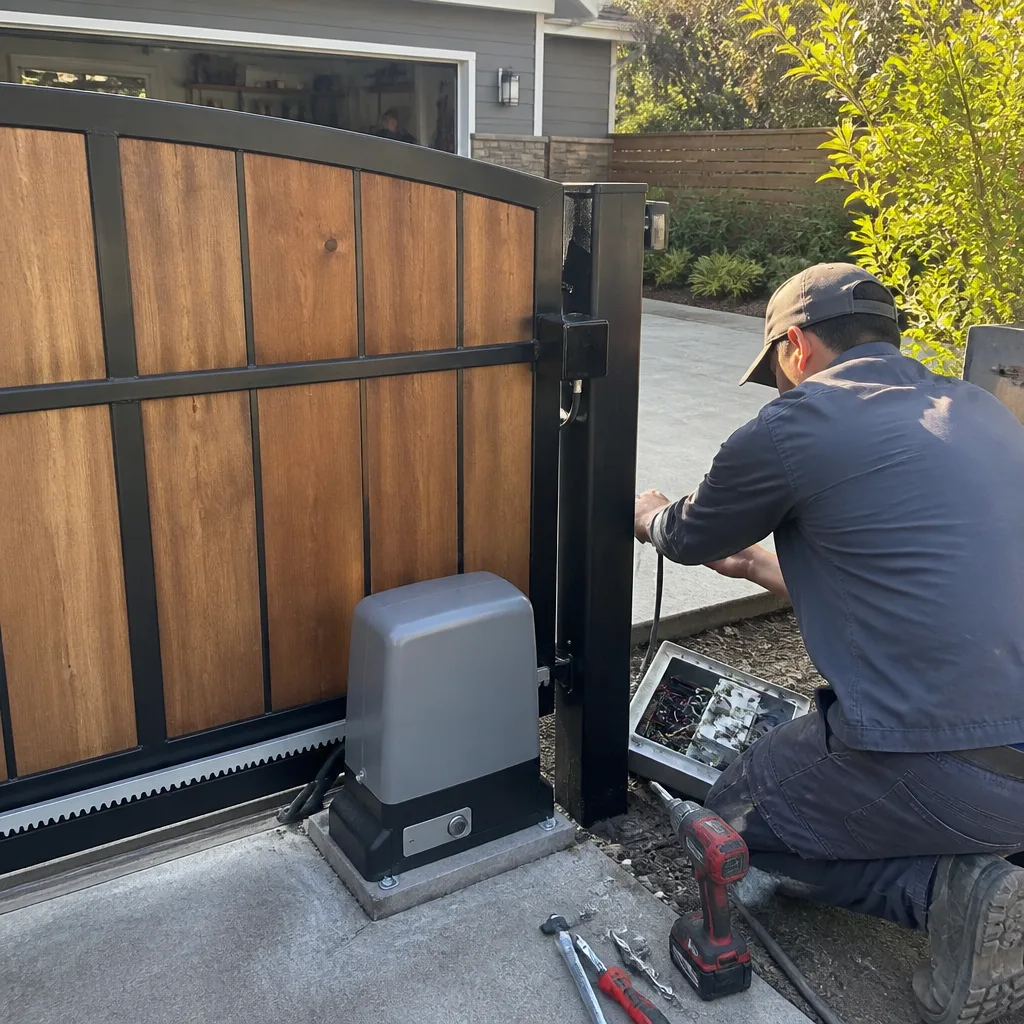 After
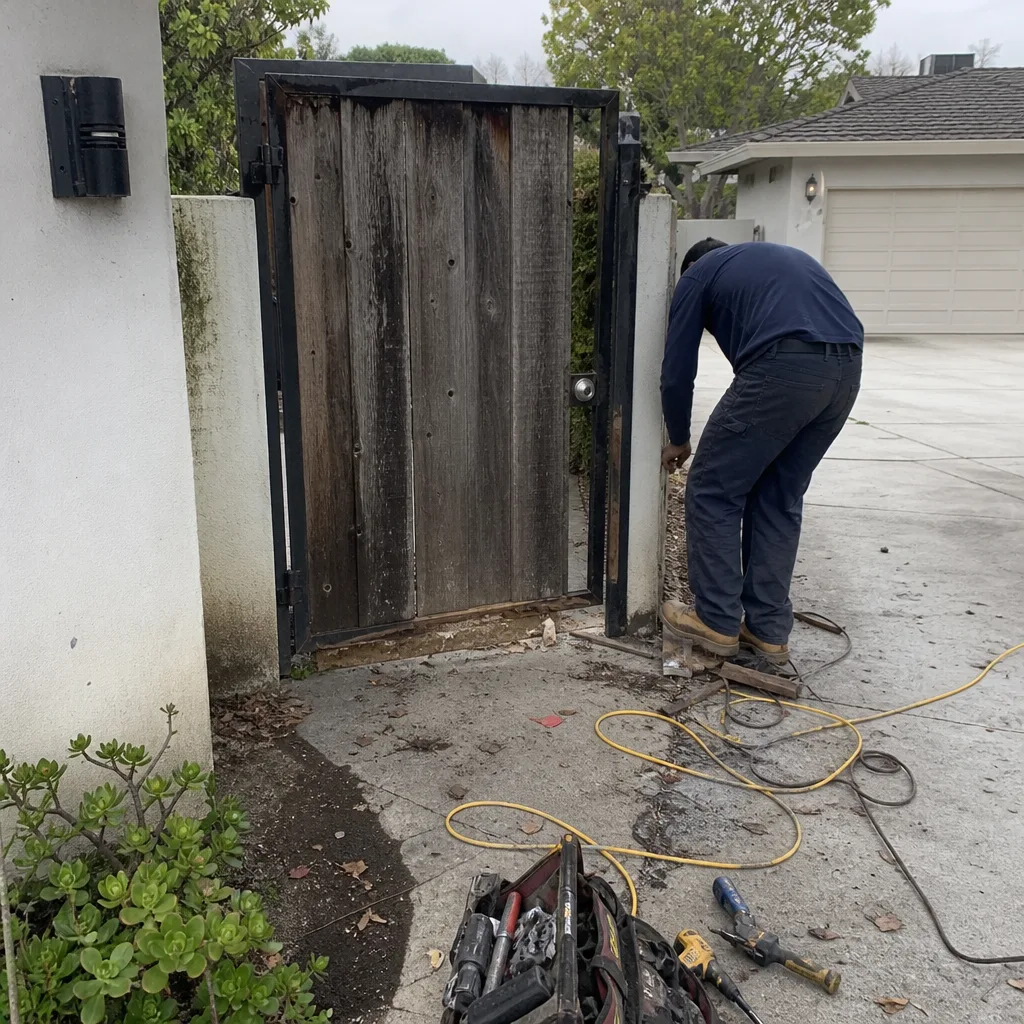 Before
 After
 Before
 After