
Last updated November 2, 2026
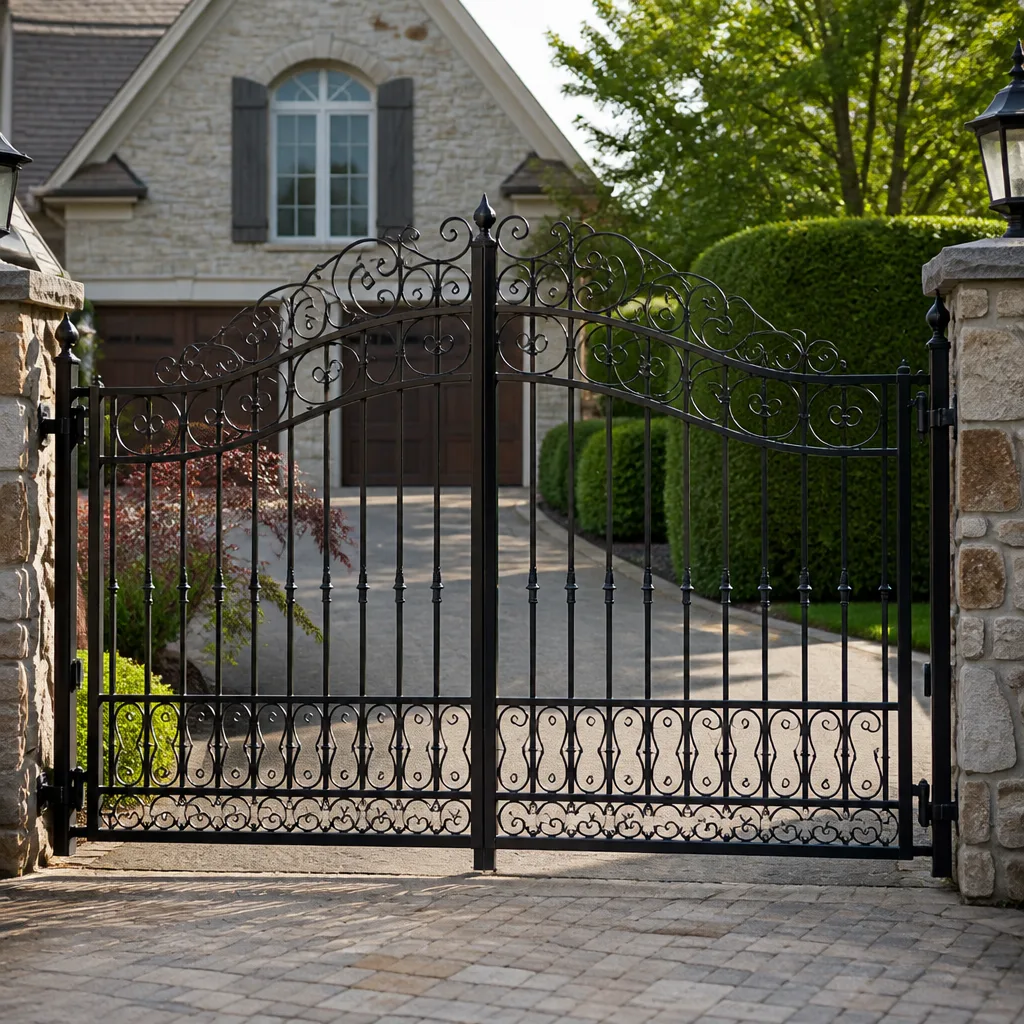 Wrought iron
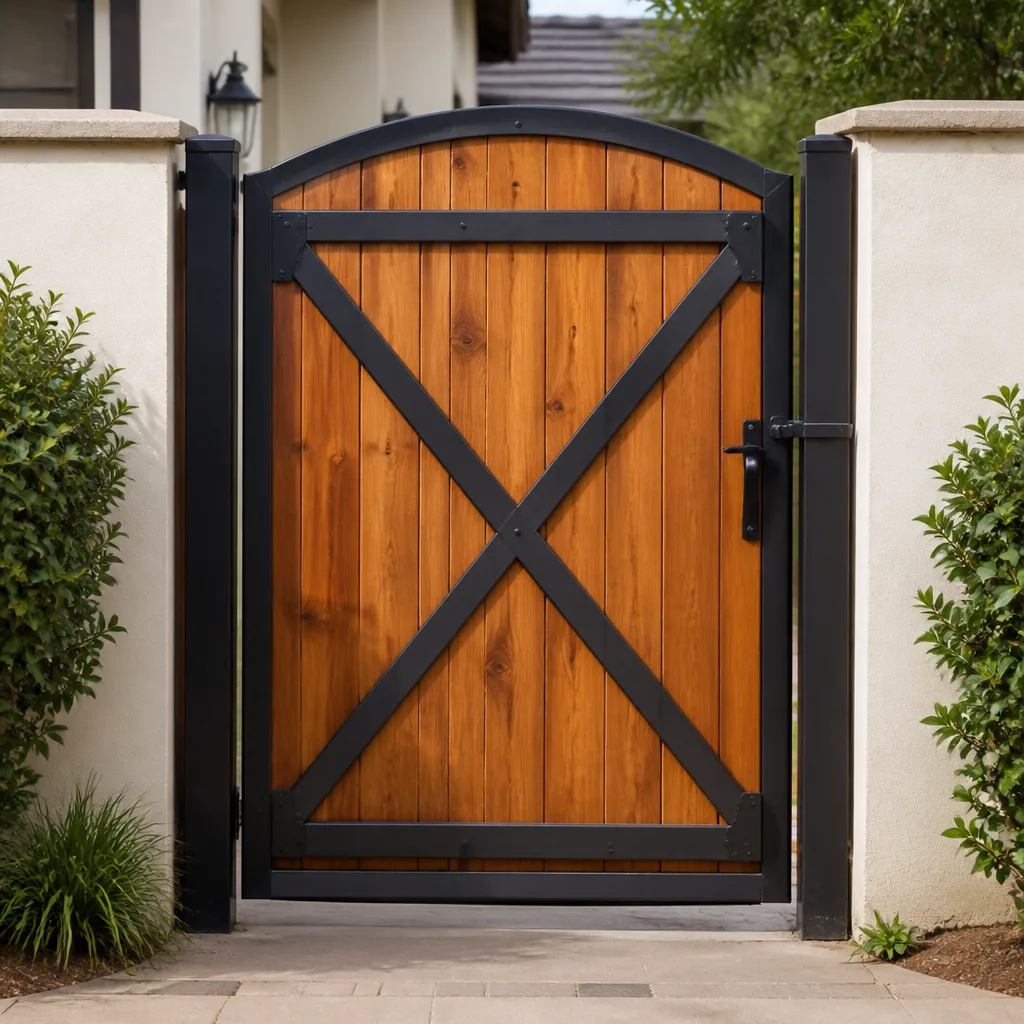 Wood & steel frame
 Farm & ranch
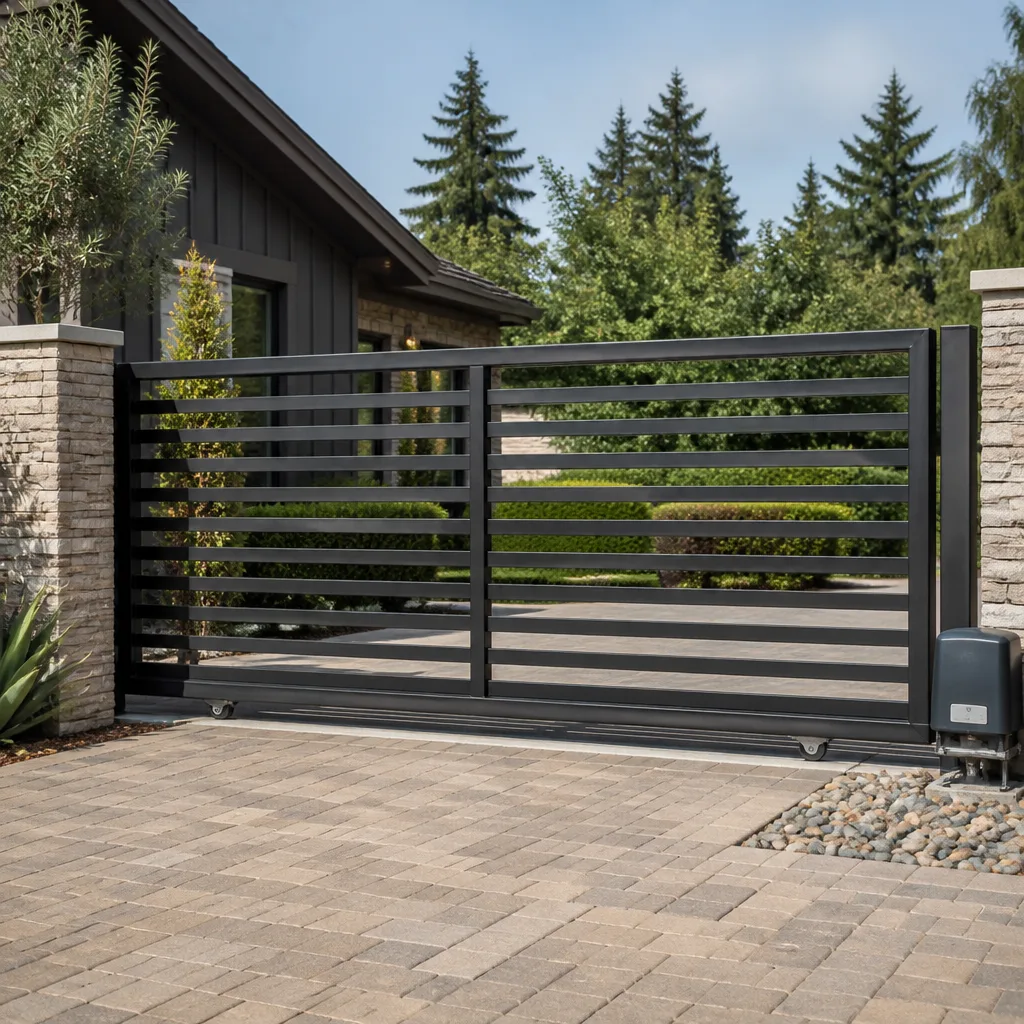 Sliding driveway gates
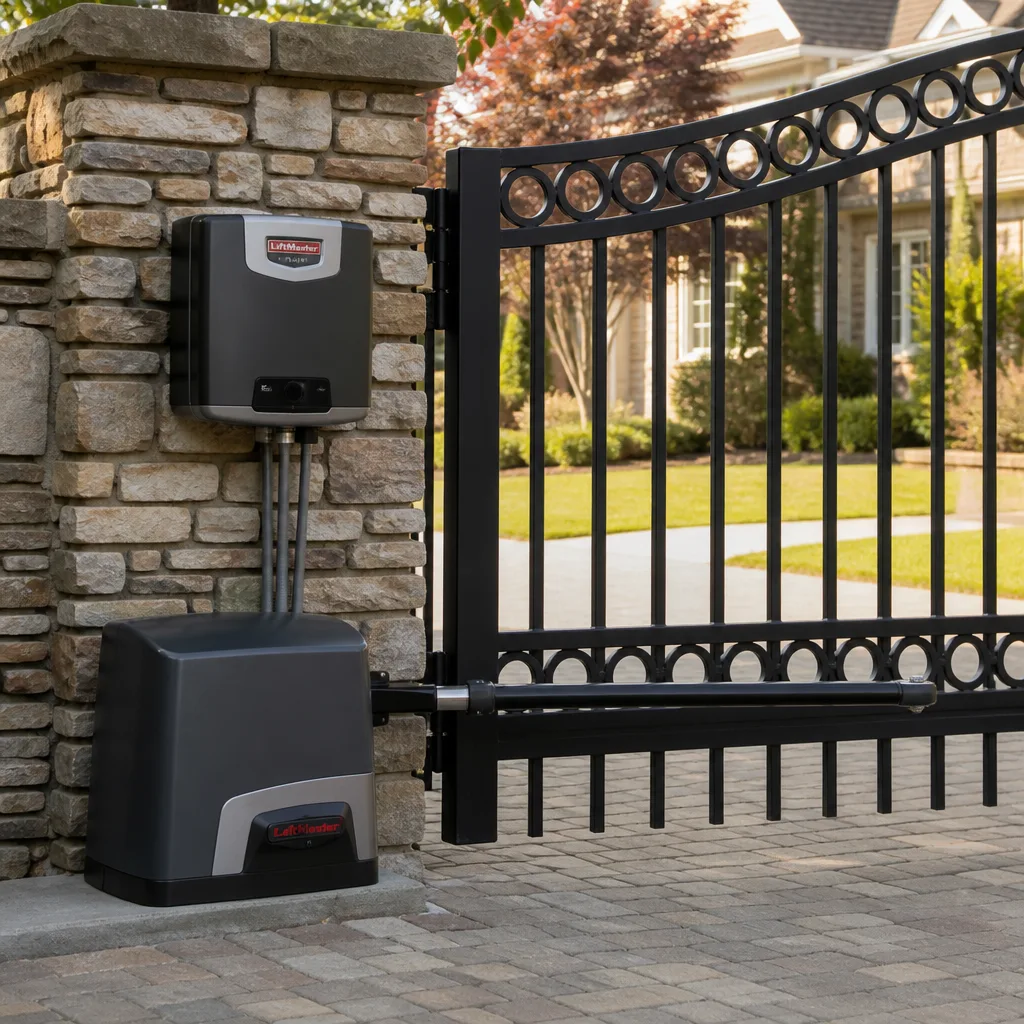 LiftMaster operators
Free on-site gate assessment - hinges, posts, and your LiftMaster or Nice gate operator checked before anything is quoted
The assessment is free and the quote is the invoice.
Get your free estimateThe Complete Gate Repair Guide for San Carlos Homeowners
San Carlos sits in a narrow coastal corridor where fog rolls over the Santa Cruz Mountains and settles into the flats between Brittan Avenue and San Carlos Avenue most summer mornings. That marine layer isn’t just a weather pattern. It’s a salt-laden humidity bath that accelerates corrosion on gate hinges, circuit boards, and motor housings at a rate we’ve measured at roughly three times what you’d see in Redwood City or Menlo Park, which sit just a mile east but stay significantly drier. Most gate repair guides online are written as if every driveway is in Phoenix. Yours isn’t. This guide will walk you through the six failure categories we diagnose every week at Gate Repair San Carlos, how to identify which one you’re dealing with, what you can safely check yourself, and when to stop and call us before you turn a $40 fix into a $1,200 motor replacement.
Quick Answer
Most San Carlos gate failures fall into one of six categories: electrical faults, mechanical wear, structural shift, sensor misalignment, control board failure, or access system malfunction. The category determines your repair cost, which ranges anywhere from a $25 sensor realignment to a $1,200+ motor replacement. Knowing which category your gate is in, before you call anyone, saves you time, money, and the frustration of paying someone to diagnose something you could have identified in five minutes.
Styles & brands we work with
- Wrought iron
- Wood & steel frame
- Farm & ranch
- Sliding driveway gates
- LiftMaster operators
Table of Contents
- The Six Failure Categories: A Diagnostic Framework
- How San Carlos’s Microclimate Attacks Your Gate
- Brand-Specific Quirks: Mighty Mule, LiftMaster, FAAC, and BFT
- Symptom Patterns: Matching What You See to What’s Wrong
- What You Can Safely Inspect Yourself
- Document Your Gate System Before It Fails
- The Prevention Schedule: What to Service and When
- Common Mistakes to Avoid
- When to Call a Professional
- Frequently Asked Questions
The Six Failure Categories: A Diagnostic Framework
Every gate service call we run in San Carlos, whether it’s a swing gate on a hillside lot in the Highlands or a slide gate on an industrial yard off Old County Road, comes down to one of six root causes. Not sometimes. Every time. Here’s the framework we use, and the one you can use before you pick up the phone.
- Electrical failure: No power reaching the motor, a blown fuse, a tripped GFCI outlet, or a severed low-voltage wire. Symptoms: the gate doesn’t respond at all, the keypad doesn’t light up, or the operator makes no sound when triggered.
- Mechanical wear: Hinges, wheels, rollers, chains, or drive belts that have worn out from years of daily cycles. Symptoms: the gate moves but grinds, lurches, squeals, or stops halfway through its travel.
- Structural shift: The gate post has leaned out of plumb, the concrete pad has settled, or the gate leaf has sagged on its hinges. Symptoms: the gate scrapes the ground, won’t latch, or drags against the driveway as it opens and closes.
- Sensor malfunction: Photo eyes, safety edges, and loop detectors that have been knocked out of alignment, fouled by moisture, or failed outright. Symptoms: the gate reverses direction for no visible reason, won’t close, or beeps continuously.
- Control board failure: The circuit board inside the operator that interprets all the signals from your remotes, keypad, and sensors. Symptoms: intermittent operation, random reversal, remote codes that repeatedly lose programming, or a gate that works one day and won’t work the next.
- Access system malfunction: Keypads, intercoms, telephone entry units, and vehicle detection loops. Symptoms: the gate works fine when you press the manual button inside, but not from the keypad outside, or the keypad accepts the code but nothing happens.
Here’s the insight most homeowners miss: these categories have completely different cost profiles. A sensor realignment takes twenty minutes and a screwdriver. A control board replacement on a commercial FAAC system can run $800 to $1,400 by the time you factor in the board, the service call, and the programming. Knowing which category you’re in tells you whether you should budget for a minor repair or a major component replacement, and it keeps you from being surprised by a quote that seems high until you understand what’s actually broken.
How San Carlos’s Microclimate Attacks Your Gate
We’ve worked on gates in every city between San Francisco and San Jose, and San Carlos has the most aggressive corrosion environment on the Peninsula for one simple reason: you sit right at the western edge of the fog line, with direct exposure to marine air coming over the gap in the mountains near Emerald Hills. That air carries microscopic salt particles, and those particles settle on everything, especially the low-voltage electrical connections and exposed metal parts of your gate system.
What does that mean in practical terms? Let’s look at what actually degrades fastest in San Carlos gates.
- Circuit board traces and connectors: Salt bridges form between adjacent solder points on unprotected boards, causing short circuits and ghost operation. We see this constantly on older LiftMaster and Mighty Mule boards that have been in service for five or more years in San Carlos. In drier inland cities, those same boards last another three to five years.
- Limit switches and micro switches: The tiny mechanical switches that tell your gate operator where to stop are particularly vulnerable. Moisture gets inside the switch housing, the contacts corrode, and the gate stops at random positions or doesn’t stop at all until it hits the physical limit stop.
- Hinge pins and bearing surfaces: The constant moisture cycle, wet in the morning, dry in the afternoon, accelerates rust on any exposed steel. Cheap hinges from big-box stores will squeak and bind within eighteen months in San Carlos. Aerospace-grade stainless or sealed-bearing hinges last eight to ten years.
- Photo eye lenses and housings: The plastic lenses on safety sensors get hazed by salt and UV, reducing the signal strength until the sensor thinks something is in the path and refuses to close the gate.
- Battery backups: If your gate has a battery backup, the terminals corrode faster in coastal air. We regularly see San Carlos gates where the battery has swollen and leaked onto the control board because the terminals were never greased.
The practical implication: if your gate is more than five years old and has never had the electrical connections cleaned and protected, you’re living on borrowed time. In drier Bay Area cities, the same gate might run another five years without attention. In San Carlos, the environment is actively working against you, and the fix is preventative maintenance that addresses corrosion before it becomes a failure.
Brand-Specific Quirks: Mighty Mule, LiftMaster, FAAC, and BFT
One of the most common mistakes homeowners make is assuming all gate operators are fundamentally the same. They’re not. A Mighty Mule opener is a chain-driven, low-cost consumer product designed for light residential gates. A FAAC is a commercial-grade hydraulic or electro-mechanical system engineered for high cycle counts and continuous duty. Diagnosing them requires a different approach, and fixing them requires different parts, different tools, and different expertise.
Here’s what we see across the brands that show up most often in San Carlos driveways:
Mighty Mule
Mighty Mule systems are everywhere in San Carlos because they’re affordable and easy to install. They’re also the brand we repair more than any other. The most common failure mode is the control board, often caused by power surges or water intrusion into the plastic housing. The second most common is the drive chain stretching over time, which causes the gate to sag and bind. The good news: Mighty Mule parts are inexpensive and widely available, and most repairs are straightforward. The bad news: these openers are not sealed against the kind of coastal moisture we get in San Carlos, so the board connections corrode faster than on more expensive equipment.
LiftMaster
LiftMaster builds the operator you’ll find on a lot of newer San Carlos homes, especially in the hills where garage and gate systems are often from the same manufacturer. The LA500 and similar residential models are reliable, but the safety sensor systems are finicky about alignment, and a slight shift in the gate post can knock the photo eyes out of line just enough to cause intermittent refusal to close. We also see a fair number of logic board failures on LiftMaster units that have been through multiple power outages, which suggests the boards aren’t as surge-tolerant as they used to be.
FAAC
FAAC is the brand you’ll find on higher-end estate properties and commercial gates in San Carlos, particularly on the larger lots west of El Camino Real. These are hydraulic swing gate operators that can move a thousand-pound gate without breaking a sweat. The trade-off is complexity. The hydraulic fluid degrades over time, the pump seals wear out, and the system has more sensors and switches than a consumer-grade opener. FAAC systems are expensive to repair, but they’re built to run for fifteen to twenty years with proper maintenance. We approach FAAC diagnostics differently because a hydraulic pressure problem shows symptoms that look like an electrical problem to an untrained eye.
BFT
BFT is another European brand common on newer San Carlos installations, often paired with estate driveway gates and commercial entry systems. These are elegant, well-engineered machines, but parts availability can be a challenge if you don’t have a relationship with the distributor. We stock common BFT components because waiting two weeks for a part from Italy is not acceptable for a homeowner who can’t get their car out of the driveway. The common failure point on BFT systems in San Carlos is the capacitor in the control board, which degrades faster in humid air and causes the gate to start slowly or not at all.
If you’re not sure what brand you have, look at the operator housing and you’ll usually find a label. If the label is gone, look at the remote. Most homeowners in San Carlos have at least an idea of what they’re working with, and that information helps us diagnose faster when you call Gate Repair in San Carlos.
Symptom Patterns: Matching What You See to What’s Wrong
The fastest way to narrow down which of the six failure categories you’re dealing with is to pay attention to the specific symptom pattern. Here’s what each category looks like in the real world, on real San Carlos gates, not in a lab.
Electrical failure symptoms
- The gate is completely dead. No response from any remote, keypad, or button.
- The keypad doesn’t light up or beep when you press the keys.
- The operator makes no sound at all, not even a click or hum.
- The gate worked yesterday and doesn’t work today, with no unusual weather event.
This pattern almost always points to a power supply problem: a tripped circuit breaker, a GFCI outlet that’s failed, a blown fuse on the control board, or a severed wire between the house and the operator. The fix is often simple and inexpensive, but diagnosing it requires a multimeter and some knowledge of where the voltage should be present.
Mechanical wear symptoms
- The gate moves, but it grinds, squeals, or makes a clicking sound as it travels.
- The gate stops halfway through its travel and reverses.
- The gate moves slowly and seems to be struggling.
- The gate jerks or lurches instead of moving smoothly.
Mechanical problems are what you hear before you see them. Hinges, rollers, chains, and belts all make noise when they’re wearing out. The key is to catch them early, before a worn roller causes the gate to bind and overload the motor, which turns a $30 mechanical fix into a $400 motor replacement.
Structural shift symptoms
- The gate scrapes the driveway or drags on one side.
- The gate doesn’t latch or close fully against the latch post.
- There’s a visible gap at the top or bottom of the gate leaf where it meets the post.
- The gate post looks like it’s leaning, even slightly.
San Carlos has clay-heavy soil in some neighborhoods, and the ground moves. We see structural problems more often on the hillside lots, where drainage patterns and soil settlement shift gate posts out of plumb over a few years. This is the category where a quick fix is almost never the right fix. Shimming the hinges gets the gate latching again, but until you reset the post or add a structural brace, the problem will come back.
Sensor malfunction symptoms
- The gate starts to close, then reverses and opens again.
- The gate won’t close, but it opens fine.
- The operator beeps continuously while the gate is closing.
- The gate reverses when nothing is in the path.
Sensor problems are the #1 source of “phantom reversal” calls in San Carlos. The photo eyes are set low to the ground, where they get hit by lawn equipment, covered by leaves, and clouded by salt haze. Before you call anyone, wipe the lenses with a clean cloth and check that the small indicator light on each sensor is illuminated. If both lights aren’t on, the alignment is off, and that’s a five-minute fix.
Control board failure symptoms
- The gate works intermittently, with no pattern you can identify.
- The remote codes repeatedly lose programming and need to be relearned.
- The gate operates normally from one input (the keypad) but not another (the remote).
- You’ve recently had a power outage, lightning storm, or a brownout in San Carlos.
Control boards are the brains of the operation, and they’re sensitive to power quality. San Carlos has an above-average number of power outages, especially in the hills during winter storms, and surge-related board failures are a regular part of our work. The diagnostic challenge is that board failures mimic other problems, and replacing a board is expensive enough that you want to be sure before you commit.
Access system malfunction symptoms
- The gate works from the manual button inside but not from the keypad outside.
- The keypad accepts the code but the gate doesn’t respond.
- The intercom rings but you can’t hear the caller, or the caller can’t hear you.
- The gate opens for every vehicle, or never opens automatically for any vehicle.
Access system problems are common on San Carlos properties with gate-mounted keypads, intercoms, or vehicle detection loops buried in the driveway. The issue can be in the keypad itself, in the wiring between the keypad and the operator, or in the loop detector that senses metal over the buried wire loop. We isolate each component methodically, because replacing a keypad when the problem is a broken wire underground is a waste of your money.
What You Can Safely Inspect Yourself
You don’t need a technician to gather useful diagnostic information. Here’s what you can safely do in fifteen minutes, with no special tools, no disassembly, and no risk of injury. This is inspection, not repair, and there’s an important line between the two that we’ll flag clearly.
- Walk the gate path: Check the full arc of the gate’s travel for anything that’s grown into the path, accumulated on the track, or shifted since last season. In San Carlos, ivy, rosemary, and ornamental grasses grow into gate paths every spring and create drag that mimics mechanical problems.
- Look at the hinges and rollers: Ask yourself if anything looks visibly different from the last time the gate worked well. A hinge that’s rusted through, a roller that’s split, a chain that’s sagging. You don’t need to touch anything. Just observe.
- Check the photo eyes: Most photo eyes have a small LED that lights green when properly aligned and red or no light when they’re not. If you see red, wipe the lenses with a dry cloth and see if the light changes. If it doesn’t, the alignment is off, and there’s usually a simple adjustment screw.
- Check the breaker: Find the breaker that feeds the gate operator and verify it hasn’t tripped. If it has, reset it once and see what happens. If it trips again, stop and call us, because repeated tripping indicates a real electrical problem.
- Check the keypad display: If your keypad has a display, note what it shows. Error codes, blank screens, or partial illumination are all useful diagnostic clues that a technician will want to know about.
Here’s the line you should not cross: do not open the operator housing and work on internal components. Gate operators and their high-tension springs, drive gears, and electrical connections can cause serious injury if handled by someone who isn’t trained. The springs on some gate designs are under enough tension to remove a finger or worse, and the capacitors inside a control board can hold a charge even after power is disconnected. Inspection from the outside is safe. Opening the housing is where we draw the line and recommend a trained professional.
Document Your Gate System Before It Fails
The single most valuable thing you can do for your future self, and for any technician who will ever work on your gate, is to document your system now, while it’s working. Most homeowners don’t think about this until their gate is stuck open and they’re standing in the driveway trying to remember what brand of opener they have.
Here’s what to record, and where to keep it:
- Photograph the operator: Take clear photos of the motor housing, the control board if you can see it through a window or cover, and the gate hardware. These photos tell a technician more than you’ll ever be able to describe over the phone.
- Record the brand and model: Look for the label on the operator housing. Write down the manufacturer, model number, and any serial number you can see. This information instantly tells us what parts we need to stock for your visit.
- Note the remote type: Photograph your remote controls. The model number and FCC ID on the back tell us what frequency your system uses and whether we can match replacement remotes without reprogramming everything.
- Record the access system details: If you have a keypad, intercom, or telephone entry system, note the brand and model of each component. These are separate devices from the gate operator, and they fail independently.
- Log recent work: If you’ve had any gate work done since you’ve owned the property, write down what was done, who did it, and when. A repair in 2023 that involved a new capacitor is directly relevant to a problem in 2026.
- Store it somewhere accessible: Keep this documentation in a notes app on your phone or a file in your email. When your gate fails, you’ll have it handy, and the technician who shows up won’t have to spend the first twenty minutes identifying what they’re working on.
We can’t overstate how much this helps. A homeowner who can show us a photo of their operator and say “it’s a LiftMaster LA500, and here’s the control board” gets a faster diagnosis and often a lower bill, because we don’t have to hunt for the information ourselves. If you’re considering a Gate Installation in San Carlos, this documentation also helps you plan the new system around what you already have.
The Prevention Schedule: What to Service and When
Gate maintenance isn’t optional in San Carlos. The same coastal air that accelerates corrosion also makes neglect more expensive, because the failure cascade is faster. A dry climate might let you ignore your gate for five years. Here, you’ll get maybe two before the environment starts winning.
Here’s the service schedule we recommend for San Carlos residential gates:
- Every 6 months: Clean the photo eye lenses, check the breaker, test the safety reversal by placing an object in the gate’s path and confirming it reverses, and visually inspect the hinges, rollers, and chain for wear.
- Every 12 months: Have the electrical connections cleaned and coated with a corrosion inhibitor, check the control board for burn marks or bulging capacitors, test the battery backup if you have one, and lubricate the moving parts with a marine-grade lubricant that resists salt air.
- Every 2 years: Have the gate post alignment checked, especially if you’re on a hillside lot or have clay soil. Have the hydraulic fluid changed on FAAC systems. Have the drive chain tension checked and adjusted if needed.
- Every 5 years: Consider replacing the battery backup, the photo eyes, and any exposed limit switches. These components age faster in coastal air, and replacing them before they fail is cheaper than repairing the damage they cause when they go.
If this schedule feels like a lot, consider that the alternative is a breakdown at 7:00 AM on a weekday when you’re late for work and your gate won’t open. That’s when most of our emergency calls come in, and the fix is almost always more expensive than the maintenance that would have prevented it.
Common Mistakes to Avoid
- Replacing the opener before checking the power: We’ve lost count of how many times we’ve arrived to find a dead gate that just needed a breaker reset. Before you buy a new operator, verify that electricity is actually reaching the one you have.
- Buying cheap replacement parts from big-box stores: The hinge pins and rollers sold at the local home center are not built for San Carlos’s marine air. They corrode within a year and you’ll pay for the same fix twice. Marine-grade and stainless components cost more upfront and last five times longer.
- Forcing the gate open with a vehicle when the motor has failed: If the gate is stuck closed and the motor won’t release, pushing it with your car bends the gate leaf, destroys the operator, and turns a simple repair into a multi-component replacement. Most systems have a manual release mechanism. Know where yours is.
- Ignoring intermittent problems: Gates that work “most of the time” are telling you something. The intermittent problem is a component in early failure, and it will not fix itself. Catching it early means a smaller repair. Waiting until it’s completely dead means a bigger one.
- Assuming all gate technicians know all brands: Some home service companies will send a general handyman who has “worked on a couple of gates.” The diagnostic difference between a Mighty Mule and a FAAC is significant, and the wrong diagnosis costs you money. Ask the technician which brands they work on regularly.
- Disconnecting the safety sensors to force the gate to close: This is dangerous and illegal. The sensors exist to prevent serious injury, and bypassing them creates a liability you don’t want. If your gate won’t close because the sensors are misaligned, fix the alignment, don’t bypass the safety system.
When to Call a Professional
Here’s the honest truth about DIY gate repair: some jobs are safe and sensible for a homeowner, and some are not. Replacing a wireless remote battery, cleaning a photo eye lens, and resetting a tripped breaker are all reasonable homeowner tasks. Opening an operator housing to diagnose a control board, working on high-tension springs, or cutting into electrical wiring are not, and we recommend a trained professional for any repair that involves the internal components of the operator or the structural integrity of the gate itself. The risks include serious injury from stored mechanical energy, electrical shock from charged capacitors, and a gate that fails catastrophically because a repair wasn’t done to code.
If you’re in San Carlos and your gate is misbehaving, Gate Repair San Carlos offers free estimates. We’ll diagnose the problem, tell you what category it falls into, and give you a written price before any work starts. Call (855) 395-1573.
Frequently Asked Questions
Gate repair in San Carlos typically runs between $150 and $1,500 depending on which of the six failure categories your problem falls into. Simple fixes like sensor realignment or fuse replacement are usually under $200. Control board replacement, motor replacement, or structural repairs to gate posts run $500 to $1,500 or more for commercial systems. Always get a written quote before any work starts. Call (855) 395-1573 for a free estimate.
Most common gate repairs in San Carlos are completed same-day or next-day, depending on parts availability for your specific brand. We stock common components for LiftMaster, FAAC, BFT, and Mighty Mule systems, which means faster repairs for most homeowners. If your part isn’t in stock, we order it immediately and you get a written estimate in the meantime.
Electric gate repair involves the motor, control board, sensors, and access control components that automate the gate, while general Gate Repair in San Carlos may address mechanical and structural issues like hinges, rollers, and post alignment. At Gate Repair San Carlos, we handle both, and our technicians are trained on electric systems from all nine major brands, including LiftMaster, FAAC, BFT, and Mighty Mule.
We service gates from LiftMaster, FAAC, BFT, Linear, Viking, Ghost Controls, DoorKing, Elite, and Mighty Mule. Our technicians are trained across all nine brands, so we can diagnose and repair your existing system regardless of manufacturer. We don’t push brand replacements when a targeted repair is the better value.
Most gate failures in San Carlos can be repaired without replacing the entire system. We diagnose first and replace only if necessary. Structural issues with the gate post or an operator that’s beyond economical repair are the main scenarios where replacement makes sense, and we’ll show you the evidence before recommending that path. If you do need a new gate, we handle Gate Installation in San Carlos as well.
San Carlos sits closer to the coastal fog line than Redwood City, and the marine air carries salt particles that accelerate corrosion on gate components, particularly electrical connections and exposed metal. That’s why gates in San Carlos need more frequent preventative maintenance than gates just a few miles east. The solution is a regular service schedule that includes cleaning and protecting electrical connections against salt air.
The Bottom Line
Your gate problem isn’t a mystery in need of guesswork. It falls into one of six categories, and identifying which one you’re dealing with gives you control over the repair conversation before you ever call a technician. San Carlos’s coastal environment accelerates wear on every component of your gate system, which makes proactive maintenance and early diagnosis more valuable here than anywhere else on the Peninsula. If your gate is acting up, start with the safe inspections we outlined, document what you find, and call us if you’re not comfortable with what you see. We’re Electric Gate Repair in San Carlos specialists who diagnose first and replace only when necessary, and we’ll walk you through your options with a free estimate before any work begins. Call (855) 395-1573 and let’s get your gate back in motion.
Written by the team at Gate Repair San Carlos, serving San Carlos since 2017.
See the difference
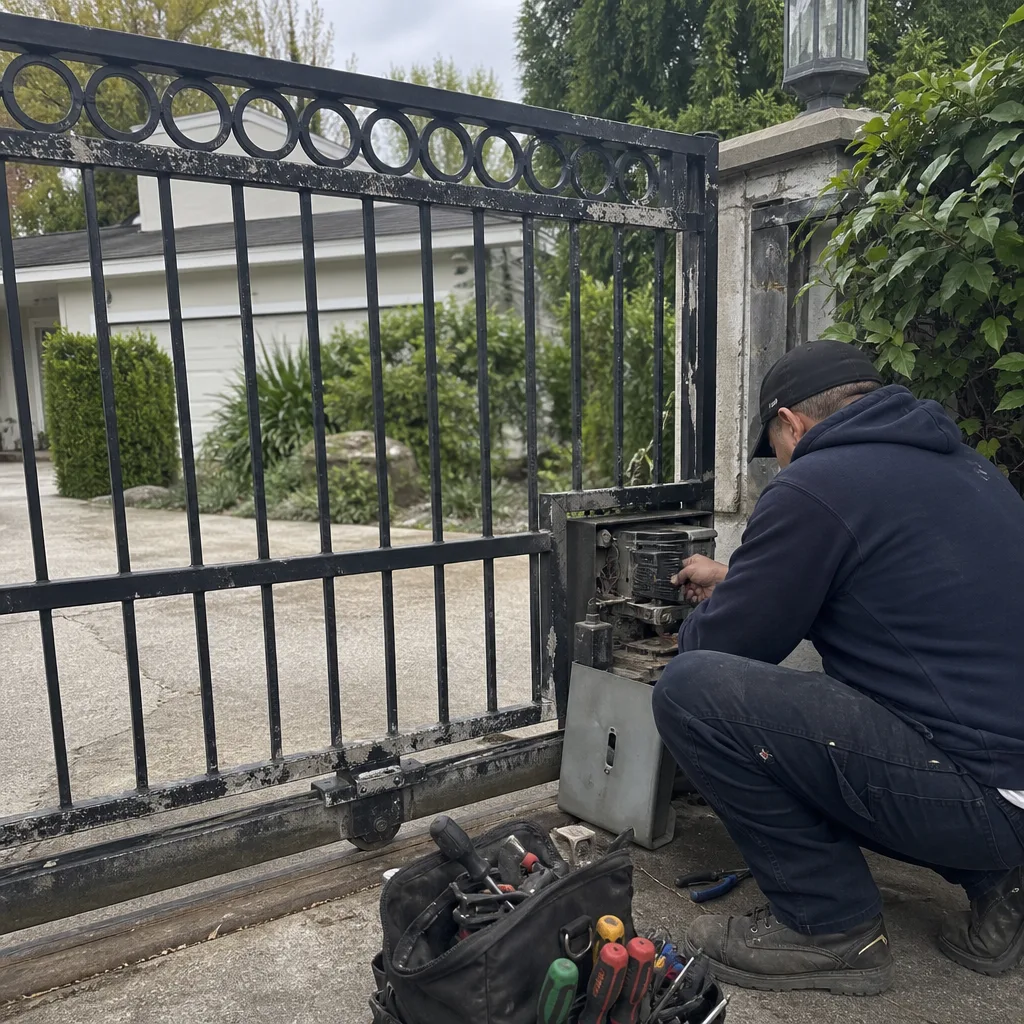 Before
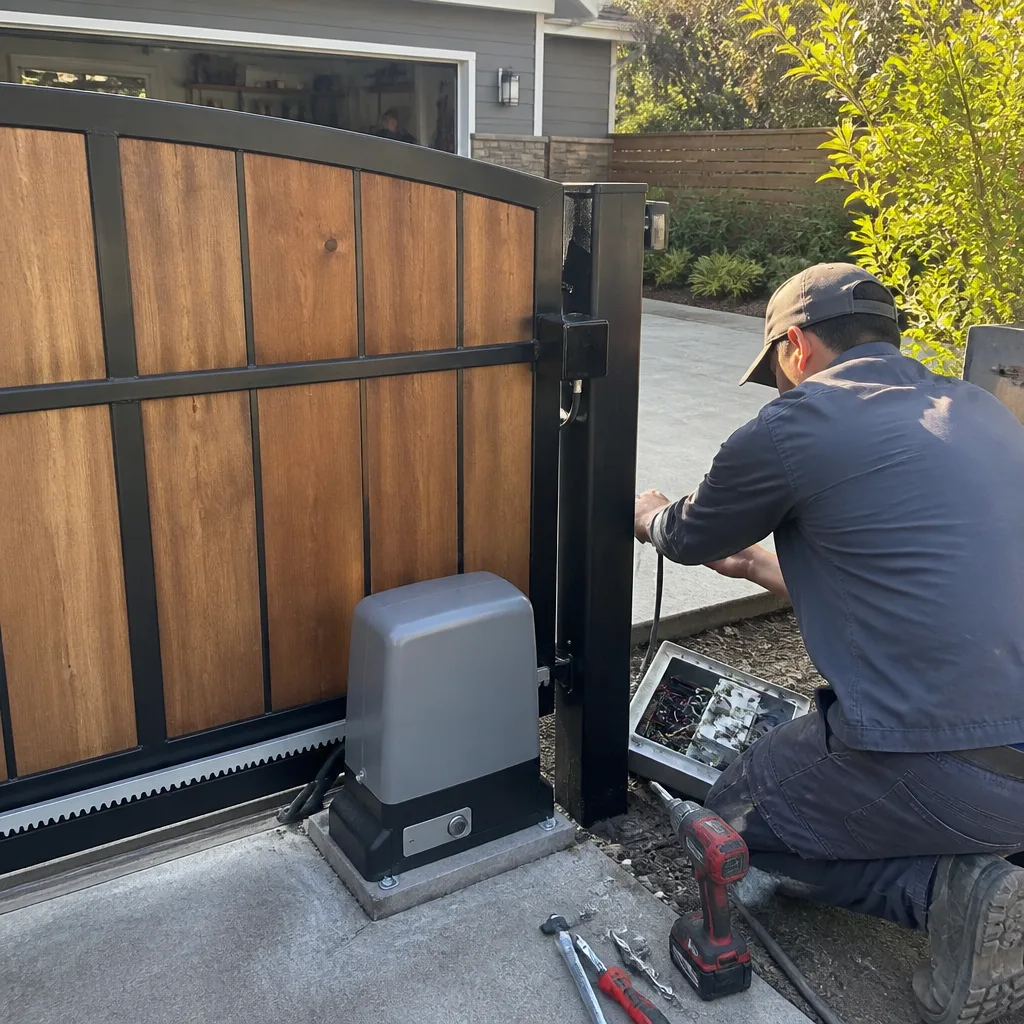 After
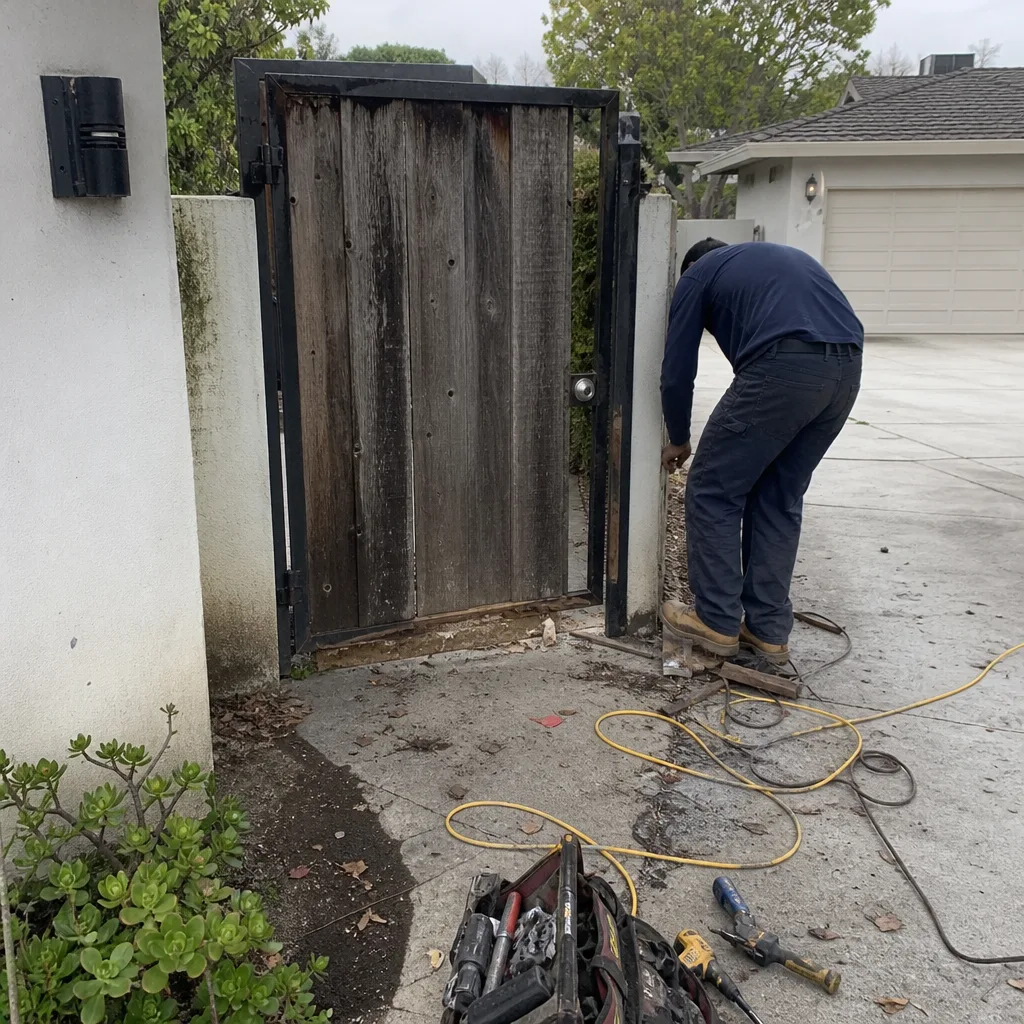 Before
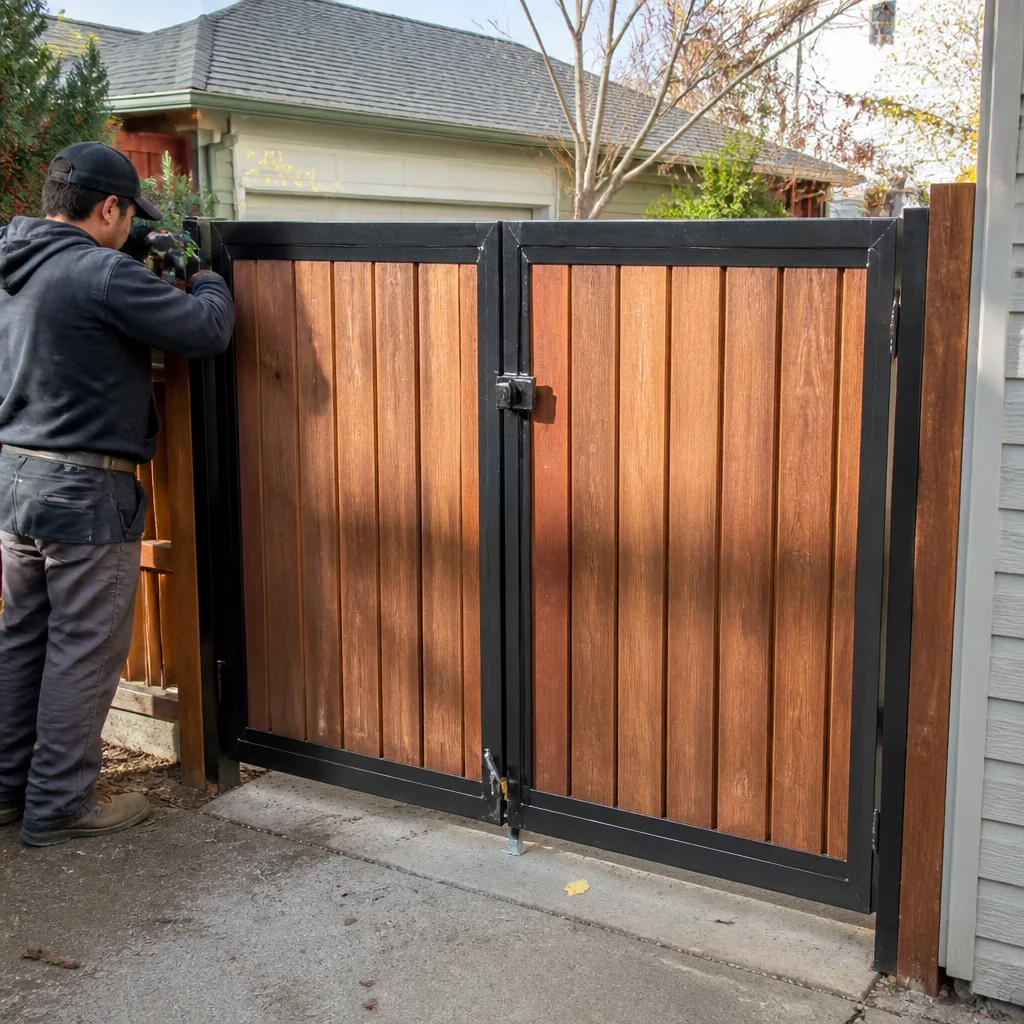 After
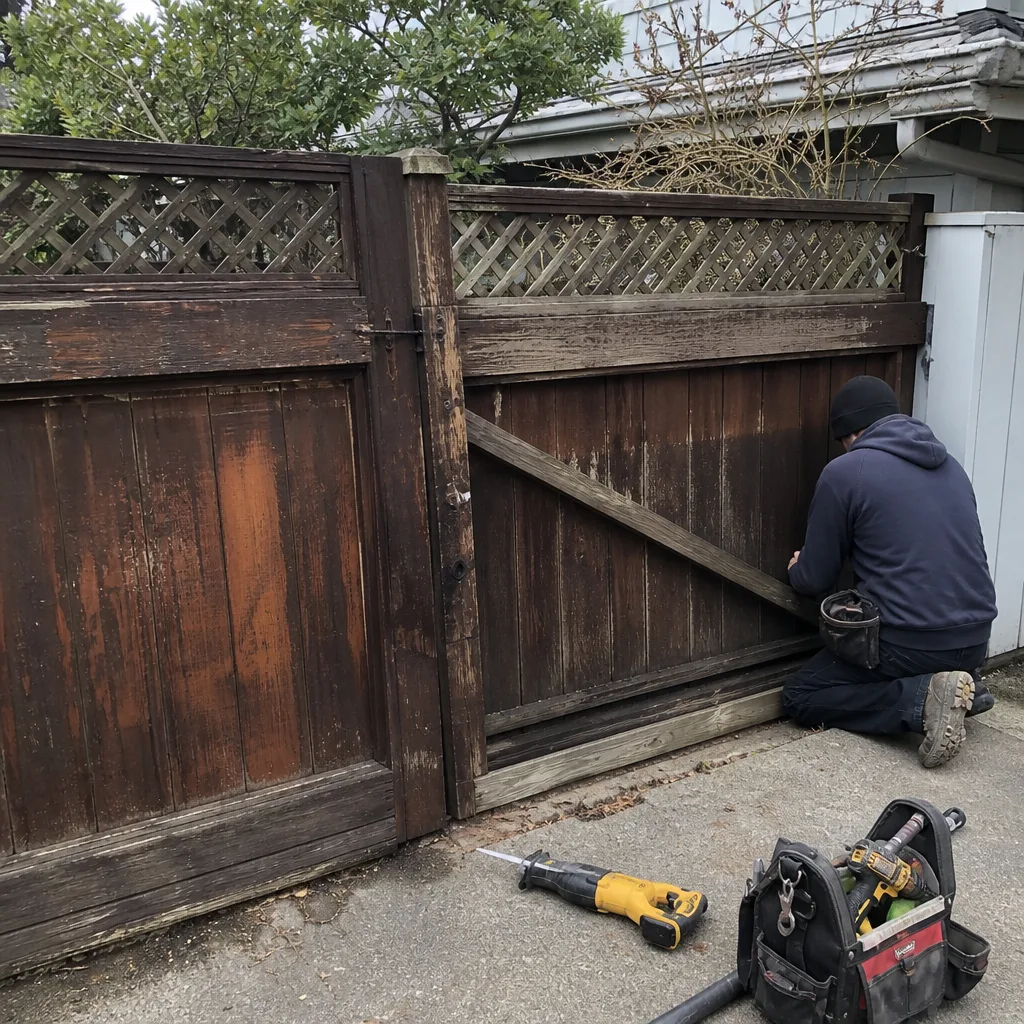 Before
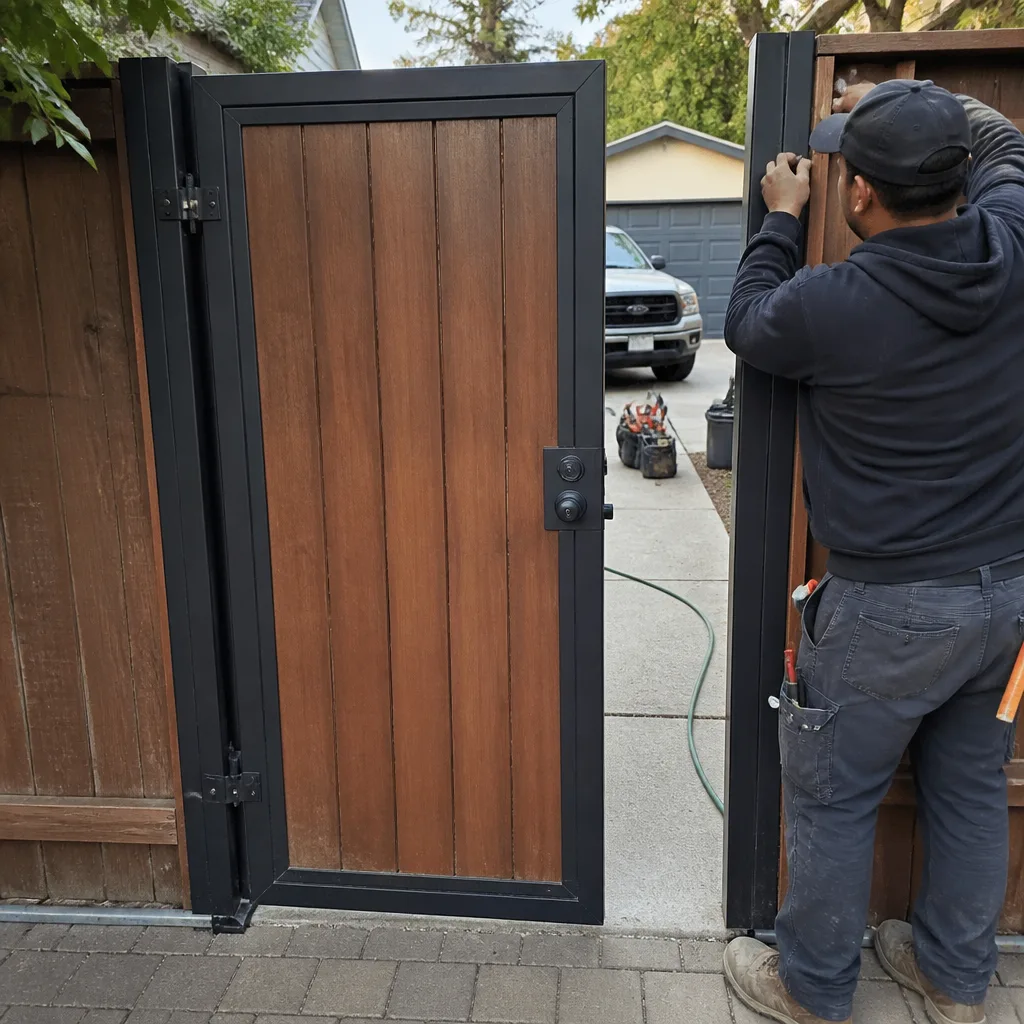 After